
Tell me if you’ve heard this one:
A man walks up to a bar and asks, “I’d like one sustainable company, please.” The bartender, without skipping a beat, replies, “Sure, no problem. I’ll just need an upfront investment of several million dollars, a technology and supply chain audit, a fully staffed team ready for extensive training, and a robust plan to navigate regulatory compliance.”
No, you haven’t heard that one?
Neither have many green tech entrepreneurs who want to go green but are realizing the difficult terrain they must navigate to accomplish such a worthy cause. Regardless, there is a rich landscape ready for innovators interested in running a sustainability-focused business in today’s modern world.
Understanding Sustainability
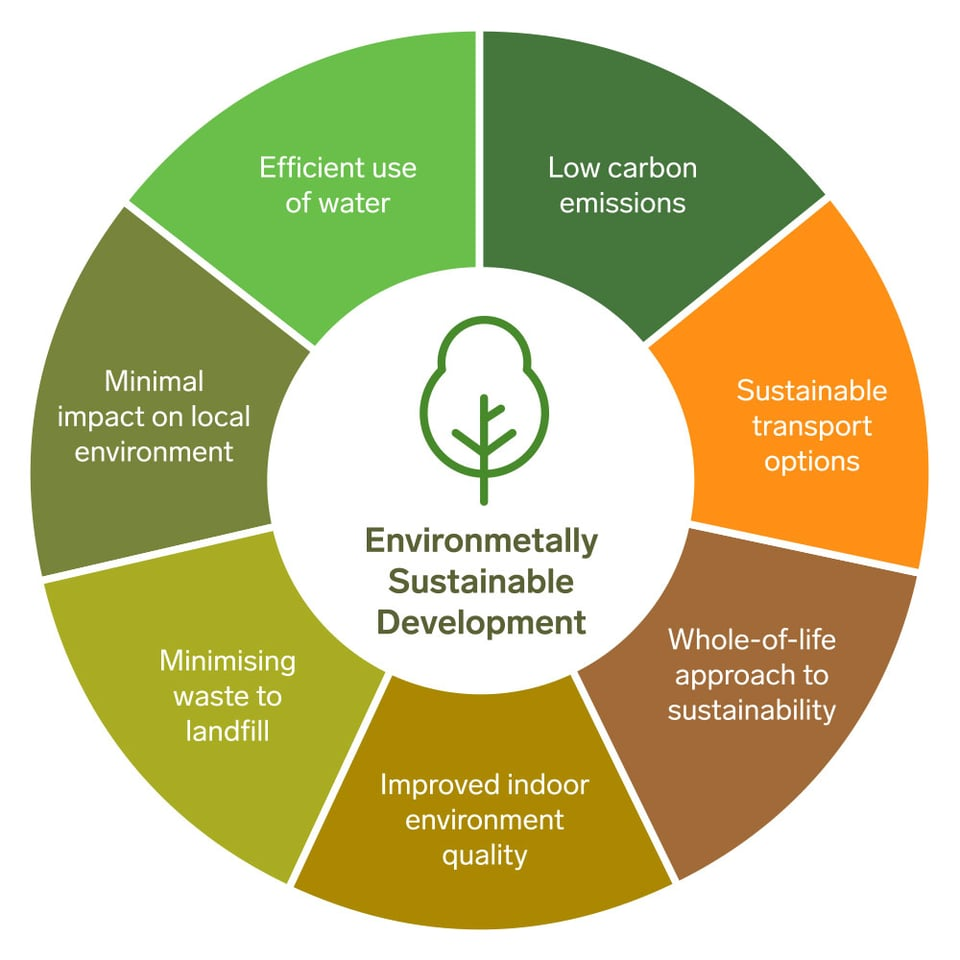
Before we truly dive into this subject, let’s understand what it means to be “sustainable.” Many of us think about combating climate change by installing solar panels or driving electric vehicles, which will indeed reduce carbon outputs and usher in a brighter, greener future. However, there are many different layers to practicing sustainability, especially in today’s modern world, that need to be evaluated from a business perspective. In addition to making a significant investment in this space to upgrade your infrastructure to be “green,” other factors include meeting consumer demands, training your employees, and keeping them engaged and aligned with the vision. Additionally, the data you collect and measure should genuinely help you go green rather than the opposite.
At the same time, digital innovations are happening at a staggering rate. With the advent of many AI-based programs such as ChatGPT, there is plenty of potential to think of unique ways to address being “eco-friendly” and ultimately operating a business that doesn’t hurt the planet.
So how do we truly accomplish a massive undertaking to change the way business operates?
Ultimately, it comes down to a company’s vested interest (financially and emotionally) in how significantly they want to contribute to protecting the planet. For me, as I have written about plenty, it was simply about the birds and the places they lived. I wanted to continue watching and enjoying birds, but due to the impacts of human development, namely urbanization and deforestation, the very creatures I have come to love over my life have been directly impacted.
While it’s true that great strides are being made in the green tech space, we can do so much more. From my own career perspective, the most important milestone I accomplished was helping a network of 300K dental offices go paperless. It didn’t nearly move the needle in the way I had hoped, but it was a start. Larger enterprises, which consume a vast amount of resources, have the biggest opportunity to make considerable changes on the sustainability front.
Take LEGO, for example. Yes, the same company whose products I often find myself stubbing my toes on at home from my children’s playing. They have made great strides in the innovation space, improving their overall Enterprise IT system while allowing for more crowdsourced product ideas, including the incorporation of 3D printing as part of their product suite available to customers. Of course, this process consumes resources like any modern company does; however, it was a serious digital transformation the company underwent to be a more operationally sustainable company.
Developing a Comprehensive Digital Transformation Strategy
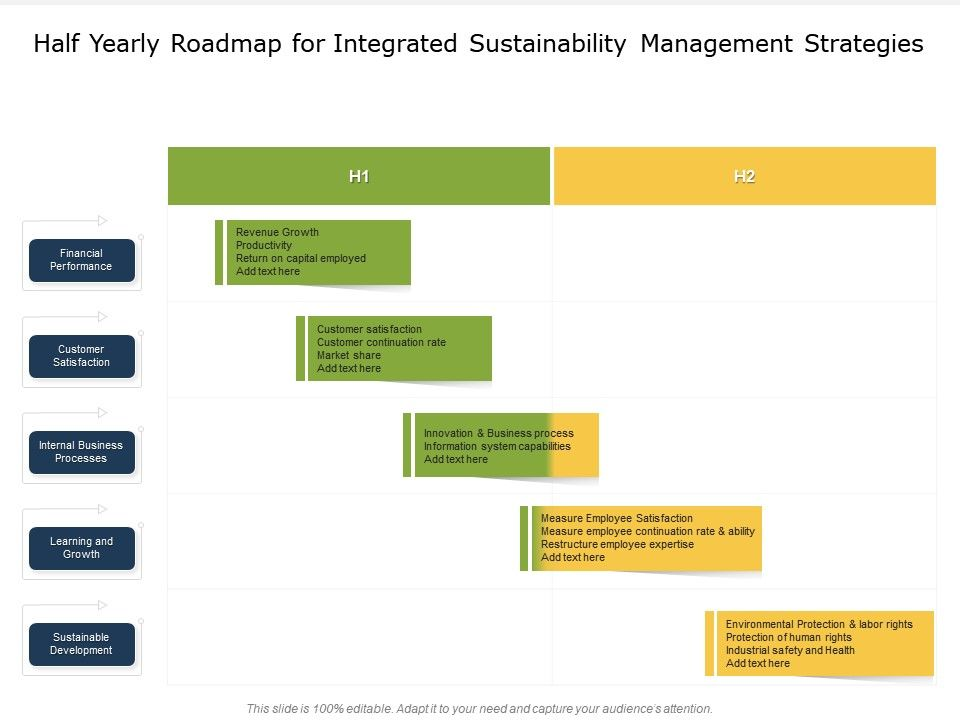
So how can companies be more innovative and incorporate a more comprehensive digital transformation strategy for their business? It ultimately begins with a vision of where the company wants to be in 3-5-10 years, aka a Roadmap, which, as a product person, I am all about. In my own career example, our 3-year plan to have our provider network go paperless was a series of milestones to be undertaken, which would wean their operations off relying solely on paper, such as claim forms, paper checks, and EOBs (explanation of benefits) of their members. This process saved the company roughly $3 million per year in spending on paper-based processes alone! There was still a long way to go, but it made considerable strides on the digital transformation front.
Common Challenges in Digital Sustainability
Many companies may talk a big game about wanting to be “greener” on the tech front, and while some have the best intentions, they are well below the expectations needed to accomplish significant digital transformations within their companies. As I mentioned, the upfront costs can be considerable. Imagine you are a company that wants to implement energy-efficient systems such as solar panels or advanced HVAC systems. Many smaller companies may not be able to afford these costs without some financial incentive or support from local or federal governments. Companies, no matter how big, should seek financial incentives such as grants or subsidies to offset some of these investment costs.
Also, consider the time required to integrate all these new technologies into your existing infrastructure. This will be a huge investment in time and resources. During my time at Delta Dental, it took more than 3 years for the digital transformation project to be complete, and by the time we left, we had at least another 2 years to go! Fortunately, a clearly articulated and phased plan for implementing sustainable initiatives with measurable goals will make the process much smoother.
Emerging Technologies for Sustainability
Looking ahead, the landscape is rich with new opportunities and technologies to take advantage of. Starting with the first and most topical, AI and Machine Learning have huge potential to optimize energy consumption by predicting demand and adjusting usage in real time, thus ultimately reducing waste. There is potential in using IoT (Internet of Things) technology such as sensors and smart grids that can optimize the distribution and consumption of energy and improve monitoring of our usage.
One particular company using AI to be more sustainable is CarbonBright, a software company that provides tools to allow suppliers, brands, and retailers to automatically and accurately measure a product’s impact throughout the supply chain, making it faster and easier for stakeholders to identify emissions hotspots and transition to more sustainable products and ingredients. This is all done via AI/ML technology.
No doubt, these are some lofty and audacious goals, but many companies out there are doing their best to put the right foot forward. One particular caveat that should be mentioned is the staggering amount of energy that is going to be used, especially in the AI/ML space, and companies need to be very conscious of that. Does it make sense to digitize all of your operations if you will be consuming more energy than before? This is why everyone’s ingenuity and partnership will be required to succeed in this field.
As companies move forward, it is crucial they adhere to the following:
- Embrace Digital Innovations: Leverage AI, IoT, and other emerging technologies to enhance sustainability.
- Invest Strategically: Seek financial incentives and plan phased implementations to manage costs.
- Engage Employees: Ensure that your team is trained and motivated to support sustainable initiatives.
- Monitor and Measure: Use reliable data to track progress and make informed decisions.
- Collaborate: Work with partners and stakeholders to achieve broader sustainability goals.

On a personal note, my love for birds and their habitats has always inspired my work towards building a more sustainable world. Seeing the direct impact of human development on these beautiful creatures drives me to continue advocating for and implementing eco-friendly practices in every aspect of business. Together, we can make a significant difference for our planet and all its inhabitants.

 Patrick Meeker: Sustainability-focused Product Management and Digital Transformation
Leave a reply to kathleen@my-rosegarden.com Cancel reply