As a Bay Area native and lifelong birder, I’ve had the privilege to connect to nature and enjoy much of California’s natural landscape. Many of these places are rich in biodiversity including several hundred species of birds. I briefly talk about some of these places in my Master Birdwatching post but I wanted to provide some additional details for those interested in exploring some of the local Bay Area gems.
Even if you are not into birdwatching in particular, these areas have some fantastic natural beauty and are good for hiking. I highly recommend them just for that that. Without further ado, please enjoy.
The East Bay
Lake Merritt, Oakland
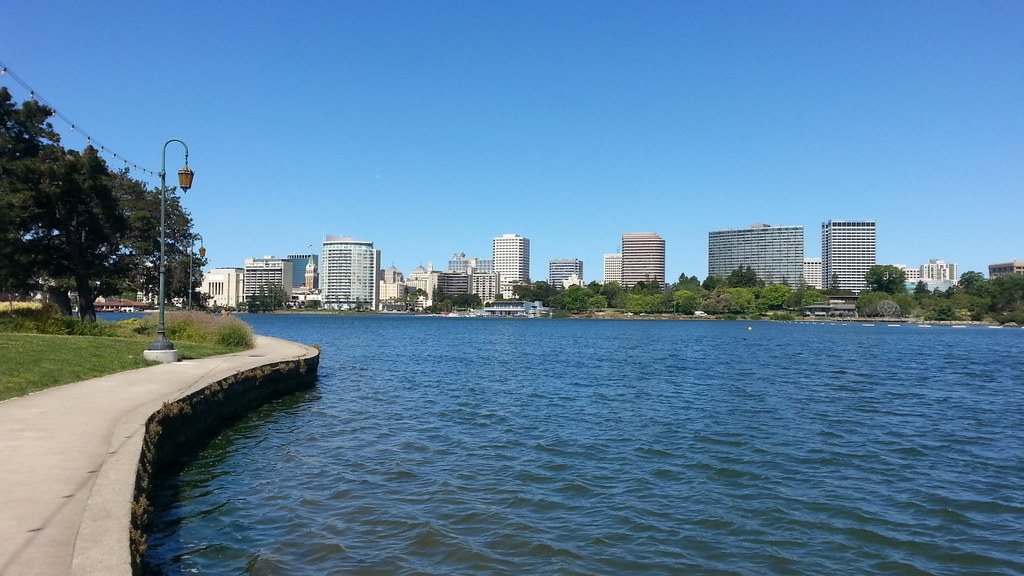
Nestled in the heart of downtown Oakland, Lake Merritt was established as the United States first wildlife sanctuary back in the 19th century. The lake, which is technically an estuary is one of the major resting stops for wintering ducks such as Lesser and Greater Scaup, Ruddy Ducks, Canvasbacks, Buffleheads, and Common Goldeneyes. You’ll also get your diving birds such as Western Grebes, Eared Grebes, Pied-billed Grebes, and an occasional Red-breasted Merganser. I was fortunate to spot a rare Tufted Duck on the lake last year, which was big thrill to me. In addition to the water birds, the path along the lake gives you access to large groves of Oak trees along the way, which are rich with passerines such as the Oak Titmouse, Chestnut Backed Chickadees, and the occasional wintering Warbler. Use the Rotary Nature center as your starting point and make your way east along the path, which is where the area has been preserved as a sanctuary to this day.
Great all year but the best times to come here for birds are from November – April
Middle-Harbor Park, Oakland

Tucked away right off the port of Oakland, this area not only provides stunning views of San Francisco but you can also clearly see the huge white cranes that supposedly inspired George Lucas’s AT-AT walkers in the Star Wars movies. This area is a great area for spotting shorebirds as it is situated in a cove right on the bay. It was recently agreed by birding authorities that the San Francisco Bay Area has the highest species count of seagulls and Middle-Harbor is a clear answer to that statement with common sightings of Western, California, Glaucous-winged, and an occasional Iceland and Thayer’s gulls. Here you can spot Avocets, Dunlin, Western and Least Sandpipers, Willets, Marbled Godwits, and Black-bellied Plovers. Depending on the tide, you can see exposed sandbars several hundred yards out populated with thousands of birds. If you are doing surveys of bird species (which I have done), you will certainly be challenged counting them all.
Arrowhead Marsh / MLK Shoreline, Oakland
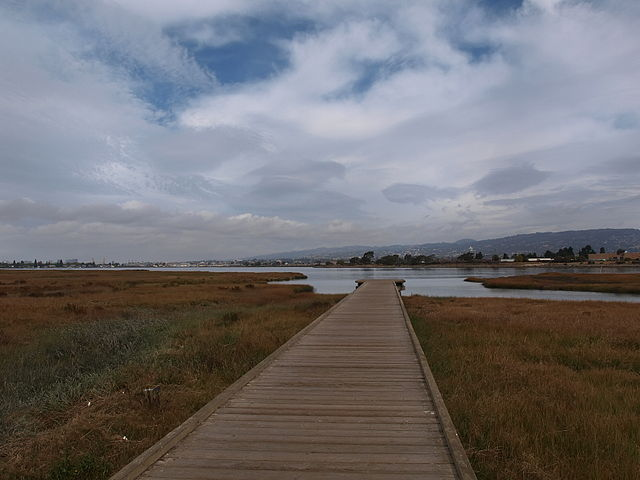
One of the few preserved wetlands of Oakland, the name of the marsh speaks for itself: the outcropping of land is literally shaped like an arrowhead! Nestled between the Oakland airport and the 880 freeway, this marsh has been one of the most coveted birding spots in the whole bay area due to its many different habitats provided to water birds, grassland birds, and forest birds alike. Several seasoned birders have come here to look for Rails, Sora, and Ruff (I swear these are all bird names!) due to the tall reeds along the trails of the marsh. Like middle harbor park, you will get a large population of shorebirds here and ducks but due to the makeup of the habitat you can also get really good looks at birds during breeding season such as the Red-winged blackbirds, Marsh Wren, Song Sparrow.
Mitchell Canyon – Mt. Diablo, Clayton
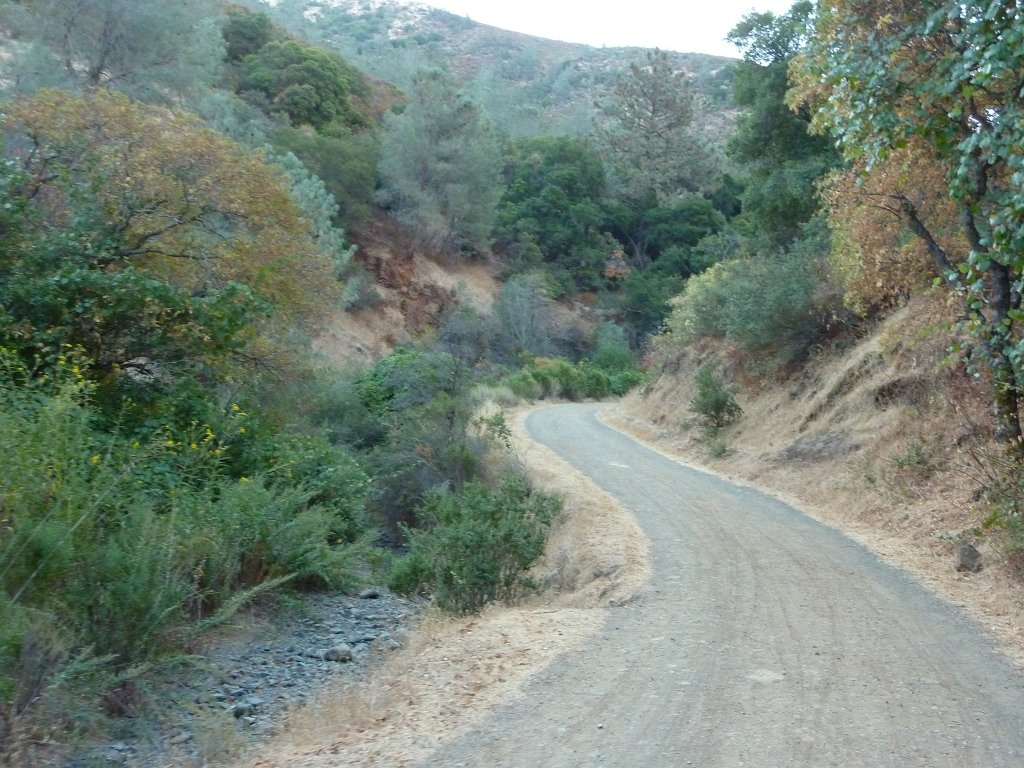
Anyone who knows the east bay, knows about Mount Diablo. Mount Diablo is for the east bay as Mount Tamalpais is for Marin county. It is the largest mountain in the bay area standing at close to 4000 feet. Mitchell Canyon is situated on the backslope of Diablo in a sleepy town called Clayton, a smaller residential community next to the larger town of Walnut Creek. There are several trails to choose from but they all more or less run along the base of the mountain with opportunities to climb to the peak. As the elevation gradually changes, you can get access to multiple different habitats including chaparral, riparian forests, foothill woodlands and grasslands. Here you can potentially see California Quail, Flycatchers such as Wood Peewees and Ash-Throated, and even the strikingly blue Lazuli Bunting. There are many Woodpeckers such as Acorn and Nuttals as well as wintering Warblers including the Orange Crowned, Hermit, Townsend’s, and even heard (not seen!) a rarity of a MacGillivray’s Warbler.
Best time to come here is early Spring to early Summer.
Heather Farm, Walnut Creek
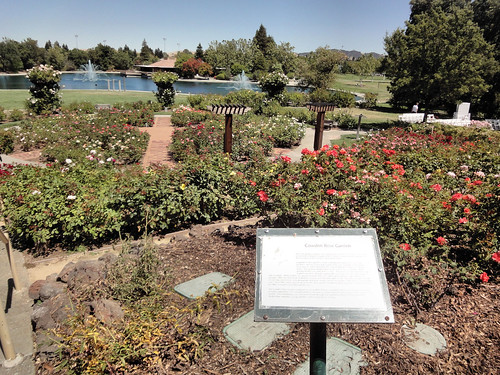
What would seem like a playground for children with lots of artificial structures, this park is actually quite flush with bird life. In the center of the park is a manmade pond, which has attracted many winter migrants such as Bufflehead and a few different Grebes. I had the opportunity to spot a Green Heron up close on one of the islands in the middle of the pond too, which doesn’t happen everyday. In addition, there is a path that leads to the Iron Horse trail but this path also provides a walking trail around a large marsh, which has had a few different instances of spotting a Sora and Common Gallinule. The trees along the trail are all rich with Nuthatches such as the Red and White-breasted as well as Yellow-Rumped Warblers. You can often see passerines of all kinds foraging for seed on the ground along the trail such as White-crowned and Gold-crowned Sparrows as well as Dark-Eyed Juncos. Anyone with a keen eye can spot well over 30 species of bird here at anytime.
Coyote Hills – Fremont
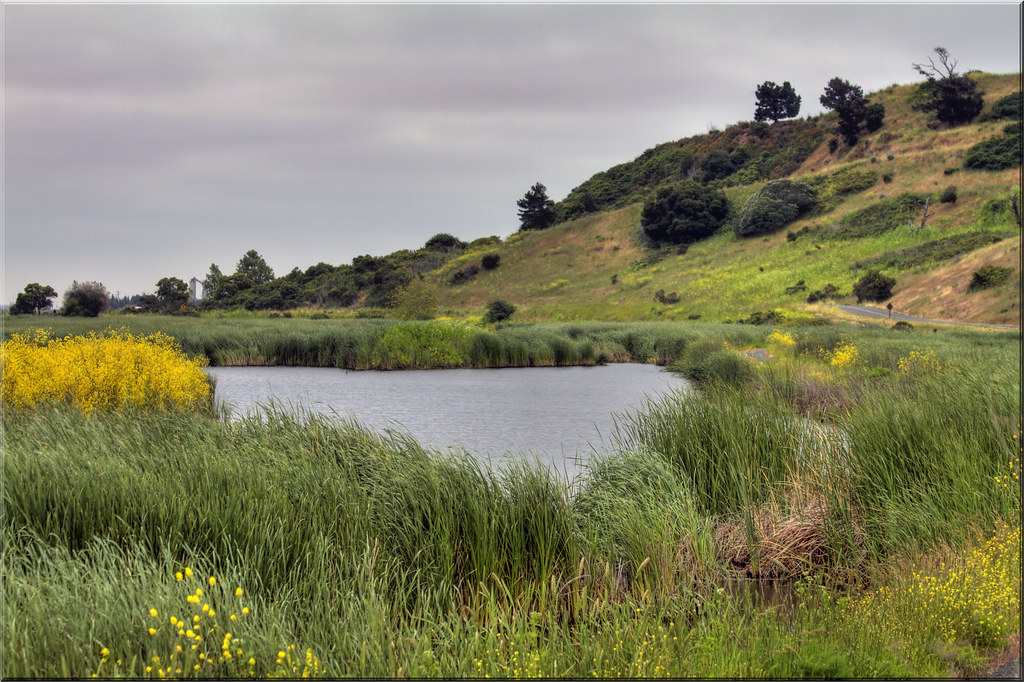
Situated along the south bay right next to the Dumbarton bridge, this marshy area has trails that climb into hills overlooking the bay and inland marshes. There is a boardwalk that walks right along the water accompanied by tall reeds where you can hear noisy Marsh Wren climbing to the top of the reeds to be noticed by prospective mates. You can also see ducks of all types including a substantial population of Norther Shovelers, Cinnamon Teals, Northern Pintails, American Wigeons and sometimes even a rare Eurasian Wigeon. There are also decent populations of shorebirds such as including an occasional Greater Yellowlegs as well as Killdeer along the marsh, with an occasional spotting of Wilson’s Snipe. As you climb into the hills, you can see hawks of all types including Norther Harrier, Red-Tailed, and Cooper’s Hawks as well as Falcons such as Kestrels and Merlins hunting along the ridge. On the inland marsh, there are outcroppings of large rocks and boulders, which attract many grassland birds, most notably Western Meadowlarks. This particular area has some of the most diverse bird species count in a wide variety of habitats and was my first spotting (of many) of a Common Yellowthroat.
San Francisco & Peninsula
Lands’ End
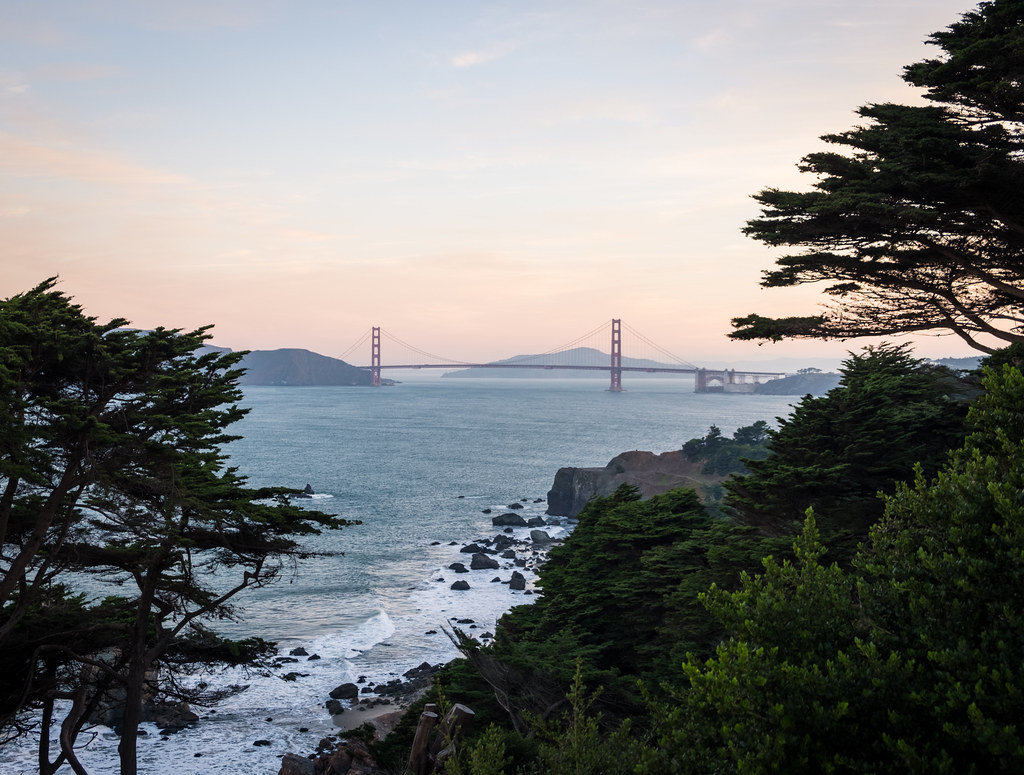
On a clear day, you cannot beat the views of the Pacific Ocean, San Francisco Bay, and of course the symbolic Golden Gate Bridge. This area is part of the GGNRA (Golden Gate National Recreation Area), which has made huge strides in improving many of the natural spaces of San Francisco in the past 10 years. The trail, which runs along cliffs looking down into the ocean starts at Ocean Beach near the Cliff house and goes all the way out to San Francisco’s Seacliff neighborhood. Part of the trail does run along the Lincoln Park golf course, which many passing tourists often can be oblivious of when people are spraying errant tee shots near the trail. The trail is rich with Monterrey Pine and Cypress trees, which are favorites for several passerines such as Chickadees, and Titmouse as well as Woodpeckers such as Nuttals, Downy, and Hairy. Depending on the time of year, you can often hear the calls of Swainson’s or Hermit thrush hidden in bushes along the trail. Bring a spotting scope in order to look out at the rocks several hundred yards offshore where you can spot Common Murre, Pigeon Guillemot, and from time to time, there have been rare sightings of a Parakeet Auklet, something only normally found off the Alaskan/Russian coasts.
The Botanical Garden or Arboretum in Golden Gate Park
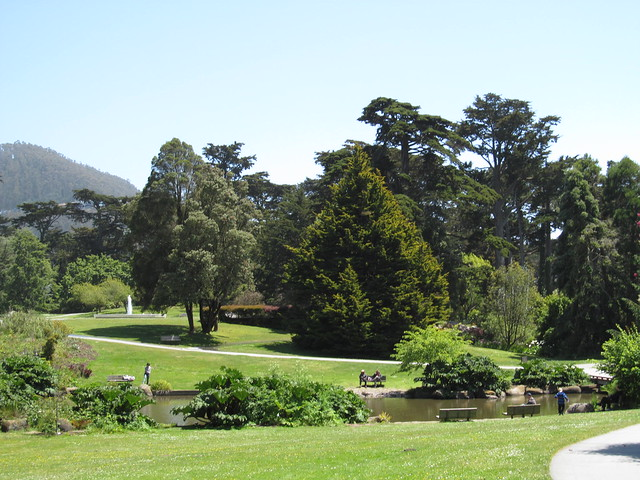
Golden Gate Park, which is the jewel of San Francisco’s parks is actually bigger in total area than New York’s Central Park. It is a great place to start for birding, which in fact was the first place I ever really went out birding when I was in high school. There are really no bad spots to go in the park for birds but the Botanical garden offers a multitude of different habitats (as it was designed) that attract birds of all different types. There is a pond that has a smattering of ducks and the garden itself has different plants and trees from all over the world that several birds are attracted to. This park, I find to be a snapshot of your typical backyard birds of the Western united States, which is great for the beginning birder. I have a tons of memories in this park and is great to visit all times of the year. If you’re lucky, you might be able to spot the reclusive Varied Thrush
Heron’s Head Park
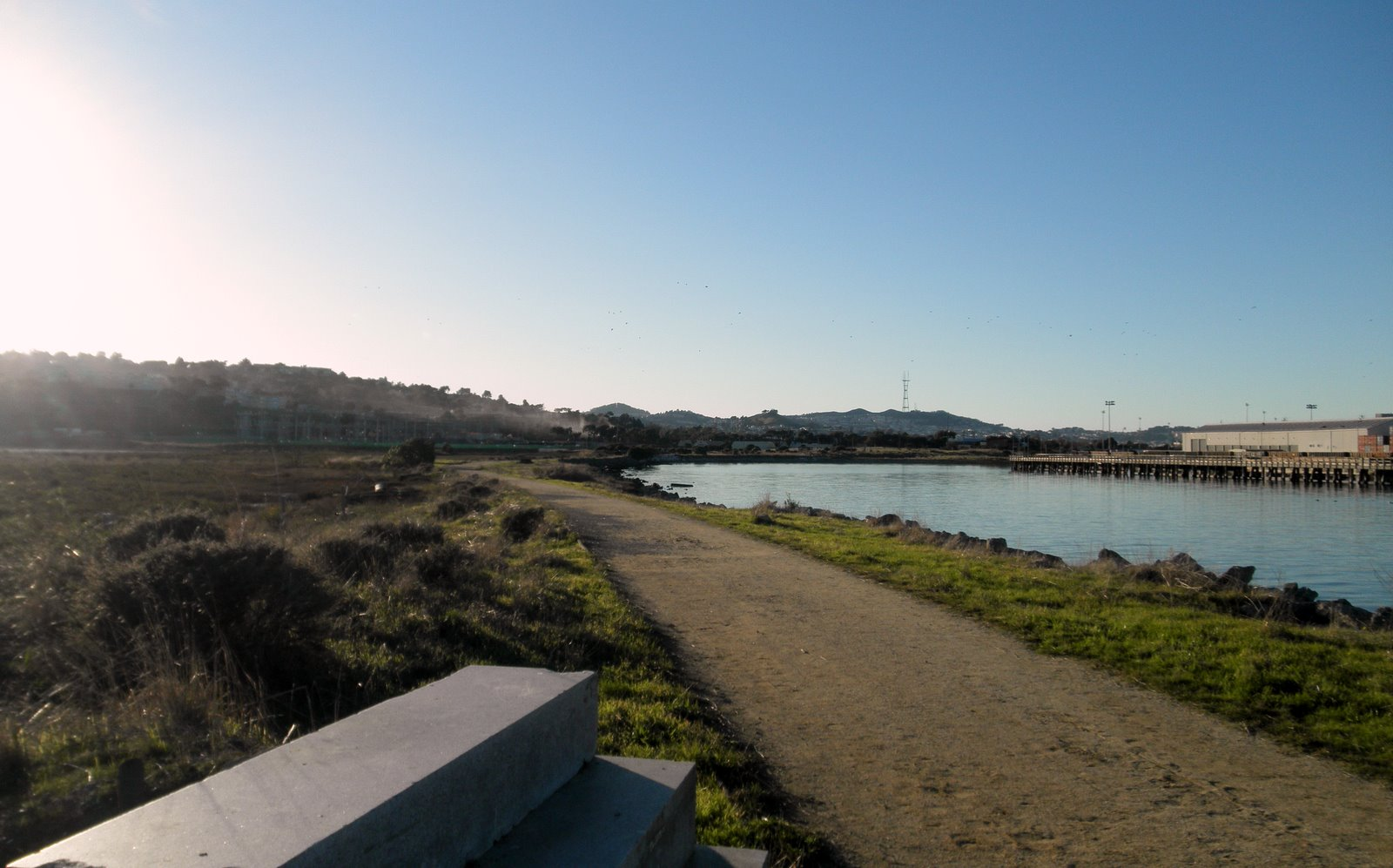
Situated in San Francisco’s Bayview/Hunter’s Point area, many locals don’t know of this area due to the negative stigma this neighborhood has received over the years. Regardless, this particular park, which has recently seen some improvements to the landscape has become a very popular destination for birds often counting over 50 species of songbirds, shorebirds, and ducks. It is a relatively flat area spanning a short 1.5 mile loop with nice views of the bay and preserved wetlands next to industrial complexes. For the San Francisco resident, this is a great area to see the many different ducks such as Shovelers, Wigeons, Scaup, Bufflehead, and Grebes. There are also several different probing birds such as Whimbrel, Long-billed Curlew, and Short-billed Dowitcher that scour the marsh looking for mollusks to snack on.
Marin Headlands – Hawk Hill
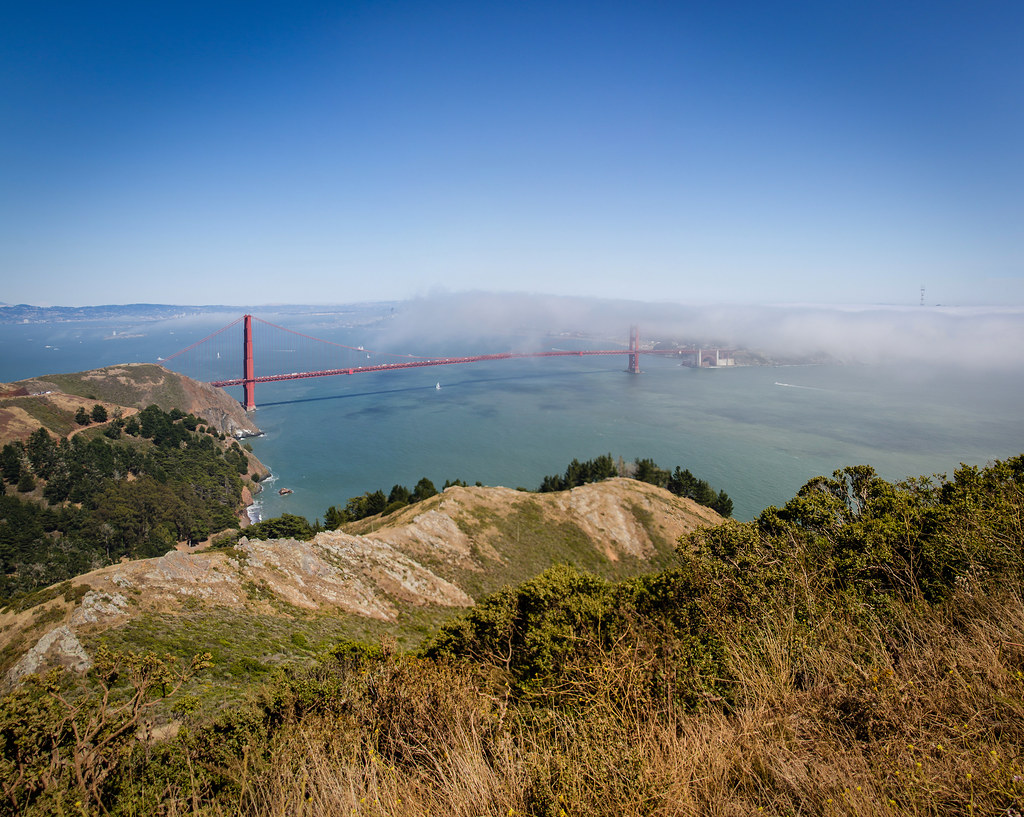
Many tourists come to this area for the views alone as you can’t get any better pictures of the Golden Gate Bridge and city of San Francisco than from here. To the birder, this area is an incredibly important flyway for many breeding Hawks, hence the name. Many of the hawks seen here are often young or not quite full adults as it is a highly contested area to attract mates and many of the already established adults have already passed through here. Regardless, you can find several sightings of Red-tailed and Red-shouldered Hawks here and you often see in person side-by-side comparisons of Cooper’s and Sharp-Shinned Hawks, which can often be very hard to tell. There have been occasional Broad-winged Hawks and Ferruginous Hawks but they are often rare and hard to spot. While the name of the area gives way to a healthy hawk population, there is also a marsh on the backside of Hawk Hill that is rich with several shorebirds and ducks and is worth spending a day there alone.
There are so many more spots you can explore and the above are just some of my personal favorites. I hope you are able to get out there and enjoy some of these beautiful spaces yourself and I would certainly welcome any other areas you recommend, which I may potentially add to this list in the future.
Happy Birding!


 Patrick Meeker: Sustainability-focused Product Management and Digital Transformation
Leave a reply to Marianna Cancel reply