“Wherever there are birds, there is hope…” -Mehmet Murat Ildan
As 2022 is now in our rearview mirror and the dust has settled from the holidays, I am finally able to reflect on what a truly amazing year it was. In addition to having my second child born in late November, I recently had the incredible opportunity to complete a yearlong Master Birdwatching program offered by the California Academy of Science and Golden Gate Audubon Society or GGAS.
In reflecting how I actually became a “master birdwatcher”, it certainly wasn’t something that happened overnight. I had been a seasoned birder starting as early as high school (see Summer 2002 post) and as an adult, I had been involved in a variety of different programs the GGAS had to offer. I had also joined a few field trips through the GGAS as well as participated in a few annual Christmas Bird Counts, something considered a major event for the avid birder. On top of that, I had been a volunteer docent a few different times for the GGAS; the first being assigned over at Oakland’s Lake Merritt, where I was able to lead short field trips to anyone passing by who was interested in learning about the Lake’s history and the local birds there. The second project was being part of a Cormorant Monitoring group, which counted the nests and hatchlings during the spring of 2021.
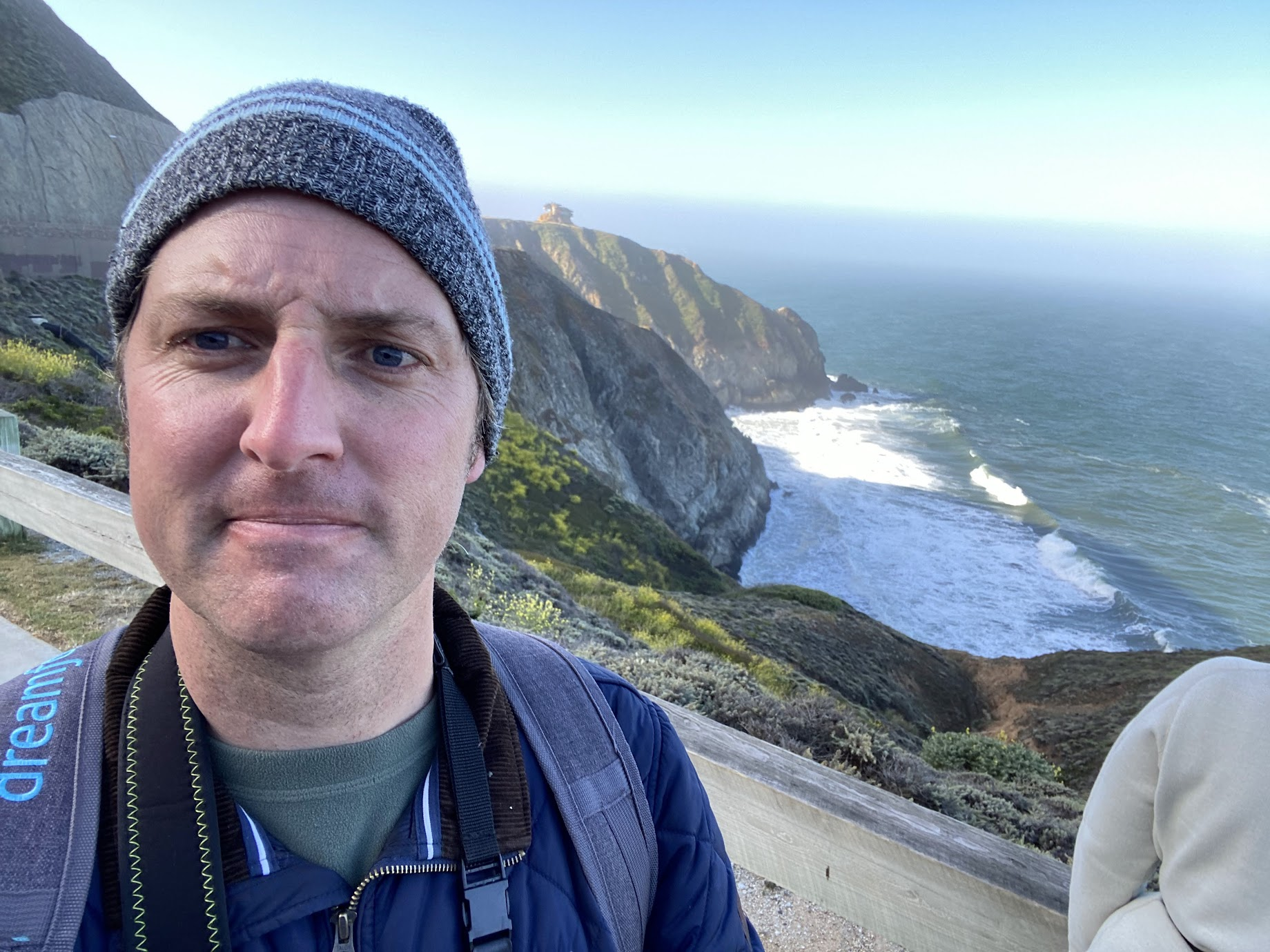
Because of these many involvements, I was plugged into the local birding community goings on. I happened to see the Master Birding course offered in the beginning of 2022 because I was subscribed to the GGAS newsletter. When I saw the announcement for open slots in the MB course, I was very intrigued to up my birding game, but I did have my reservations in just jumping right into a course like this.
I will admit I was reluctant to sign up for this course at first. The first was that I already had a very full schedule working a full-time job as a Product Manager at Delta Dental. In addition, I also had a 2-year-old at home with another child on the way. I was also weighing the cost of the course, which required a substantial investment. I will say, however, that the price of this course was actually quite reasonable for a 12-month long program, but it did certainly require one to consider their finances when making the investment. The final thing that gave me pause was my confidence in my own birding abilities. I didn’t consider myself qualified to be a “Master” birder, however, to my credit, I felt like I had a pretty good grasp of knowing the birds around me. The minimum qualifications for this course were to be able to ID 100 birds by sight and know 25 by sound. While it certainly helped knowing that while being in the field, it was after I completed this course, I realized there was so much more to know about our feathered friends.
Aside from the actual subject matter, I was incredibly lucky to have such fantastic instructors. The class was taught by 3 leaders in the birding community; the first being Jack Dumbacher, who heads up the department of Ornithology at the California Academy of Science. The second instructor was Bruce Mast, who not only sits on the board of the Golden Gate Audubon Society, but he is also a well-respected member in the Bay Area birding community. Lastly, and certainly not least, the third instructor was Eddie Bartley, who is a longstanding member of GGAS and is also a world traveler going on many birding expeditions through his company naturetrips.com. It was these three instructors, who offered their own unique perspectives on birds that made this course so amazing.
While I won’t go into each specific class, I wanted to call out a few highlights I found to be really fascinating about the subject. Each one of the below could be their own paper, which in fact were some of the different lectures
Lectures and Labs

Each month, the course offered an in-person lecture accompanied by labs, which were “specimens” from the Cal Academy. The specimens were treated and stuffed birds across the board of different Families. One week we could be looking at birds of prey e.g., Hawks, Falcons, Eagles and another week we could be looking at Hummingbirds. It was a truly amazing experience to be able to look at the birds up close and see how spectacular their features were that one couldn’t always identify in the field.
Bird Song
We all know that birds sing but do we know the anatomy of how a bird sings? I’m sure most do not! Here we learned about not only the biology of bird song but also what different calls mean and even the differences in song between male and female birds. Another unique learning was the difference in frequency of bird song depending on geography. A white-crowned sparrow from California could sound very different from a White-crowned Sparrow in Washington. You would almost think it like a dialect of someone from NYC compared to someone from Alabama!
Bird Behavior
From nest building to egg shape theories to mate selection, this was a really interesting topic on the subject of things we don’t necessarily see birds do up close. Why are some birds altricial (undeveloped baby at time of hatching) vs. precocial (mostly fully developed with eyes already open)? Why are some birds monogamous vs. have multiple mates? While these aren’t always things we can see in our binoculars through the field, we occasionally do come across nests, and we can start to identify the species owner and what the baby inhabitants would look like.
Migration
A terrific subject to wrap up the course. In addition to speaking on the actual anatomy of bird flight, this addressed the subject of migration. Again, many of us know that birds migrate but some questions most of us don’t know is knowing where they go, for how long, and what tells them it’s time to leave? This one went all the way back to the day of the dinosaur where we talked about the early fossil records proving a lot of great theories on how flight even began.
Final Student Presentations
I was really impressed with the breadth of knowledge my fellow students had on the subject. We were allowed to do a presentation on anything bird-related and some of the topics my peers chose were fascinating. From the ins and outs of growing bird-friendly coffee aka “Shade-grown” to the “shrinking birds” theory, which implied the further you get from the equator; the smaller birds on average were. My own presentation was on the applied uses of AI in birdwatching, which I also wrote about here. It was amazing to see the level of detail and storytelling my colleagues presented. The passion truly stood out.
Field Trips
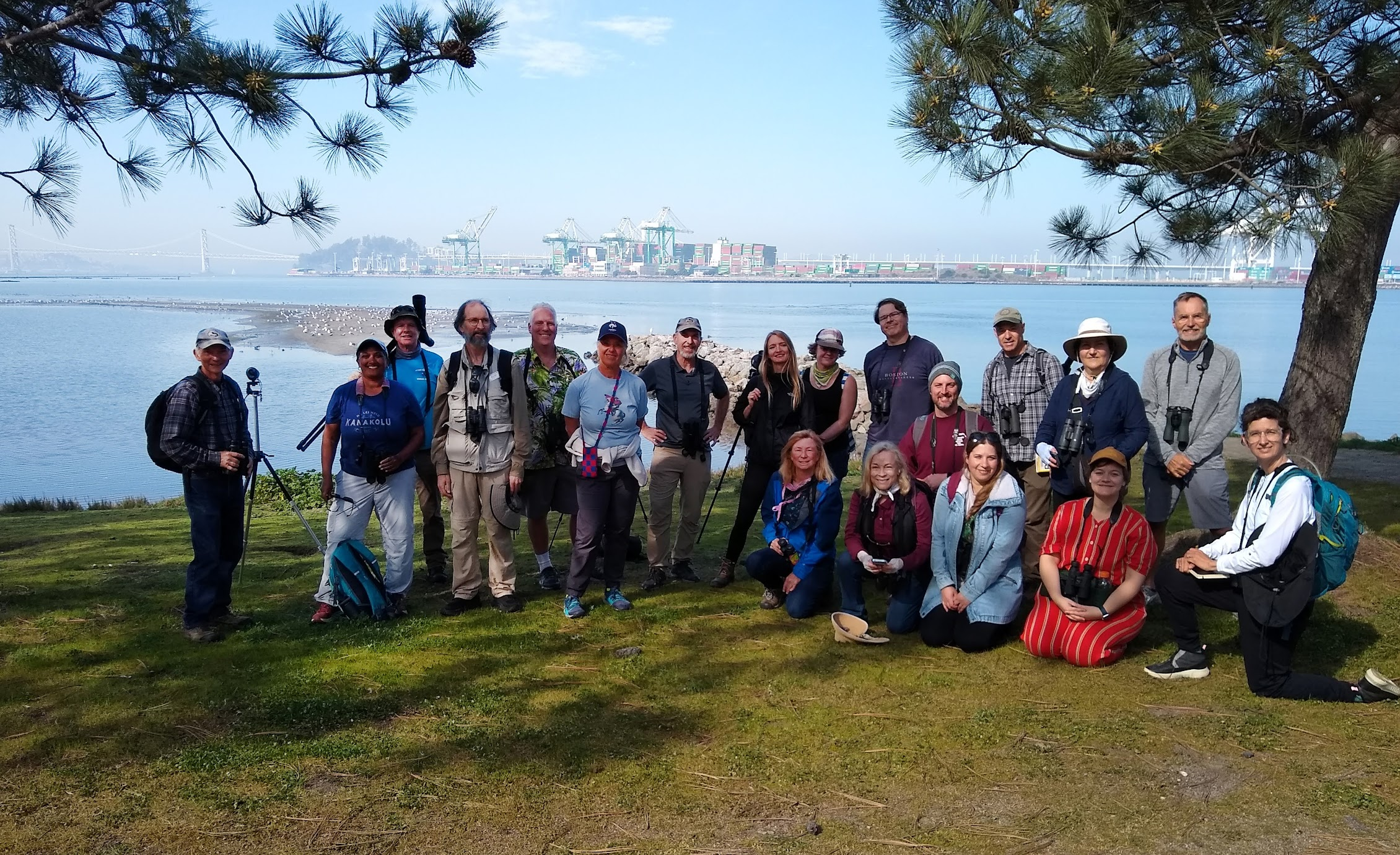
We were able to travel all over the bay area to different birding hotspots. Again, I wish I could speak on all of them but part of the requirement of the course was to write field journal entries of our field trips so perhaps I’ll have to digitize those someday for those interested in the details. Today, the use of eBird is a widespread app that many birders use in tracking their sightings and uses crowdsourcing as well as AI (which I write about!) to inform the birder what to look out for in the field. Some of the trip highlights were Valle Vista Reservoir in San Leandro, Coyote Hills in Fremont, and Mitchell Canyon at the Base of Mt. Diablo.
The above is just a drop in the bucket in terms of the knowledge I gained from being a part of this course. I intend to write more about bird related topics in this blog and I will continually be looking up to the sky and trees to further cultivate my passion for the subject. I encourage you to do the same and find some way of connecting with your natural space; you never know what interesting things you will see.


 Patrick Meeker: Sustainability-focused Product Management and Digital Transformation
Leave a reply to Kathleen Meeker Cancel reply