As birdwatchers, the sounds nature often serves as our baseline to start connecting to the world. In many instances, we will hear a melodious yet familiar song from an unseen bird, which will become the question for the moment. However, identifying these elusive and beautiful creatures isn’t always easy, especially for newcomers to the hobby. Fortunately, recent developments in technology are creating exciting new ways to engage with birdwatching, thanks in large part to the implementation of Artificial Intelligence (AI).
Artificial Intelligence, or AI, is an umbrella term that first emerged in the mid-1950s, coined by John McCarthy, a luminary in computer science. McCarthy defined AI as “the science and engineering of making intelligent machines,” which encapsulates machines capable of learning or simulating human intelligence. Over the years, the concept of AI has evolved to include subsets like Machine Learning, Deep Learning, and Neural Networks. Nowadays, AI isn’t a concept confined to laboratories or high-tech corporations; it’s part of our everyday life, infiltrating numerous fields, including our beloved hobby of birdwatching.
AI’s influence in birdwatching is twofold: it’s making bird identification more accessible for novices and transforming the way data is collected and analyzed, providing insights never before possible. These advancements aren’t limited to academic institutions or large businesses; they’re becoming increasingly available to everyday enthusiasts via mobile apps like Merlin, developed by the Cornell Lab of Ornithology, and iNaturalist.
Merlin, a mobile app launched in 2014, is a pioneering example of AI’s application in birdwatching. The app leverages user data and AI to make informed predictions about bird species. If you spot a bird, you can input specific details, such as the bird’s size, colors, observed behavior, and the time of year, all of which the app’s algorithm uses to identify the species.
In 2021, Merlin introduced an AI-powered feature known as Sound ID. This tool analyzes bird songs and calls, predicting the species with remarkable accuracy. This sound-based identification approach uses a Deep Neural Network (DNN) known as BirdNET, which leverages over 27 million data points gathered via AI to identify almost 3,000 bird species solely based on their unique sounds.
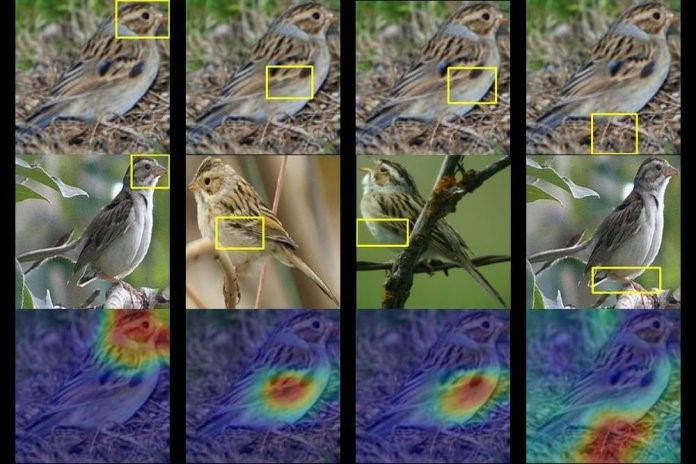
But AI’s application in birdwatching doesn’t stop with sounds. The advancement in digital imaging and pattern recognition now allows birdwatchers to identify species based on visual cues. This is where Merlin’s Photo ID feature comes into play, a technology developed in collaboration with Caltech and Visipedia. It uses machine learning algorithms that identify species based on user-submitted photos. Similarly, iNaturalist uses photo-based identification, extending beyond birds to cover other wildlife and plant species.
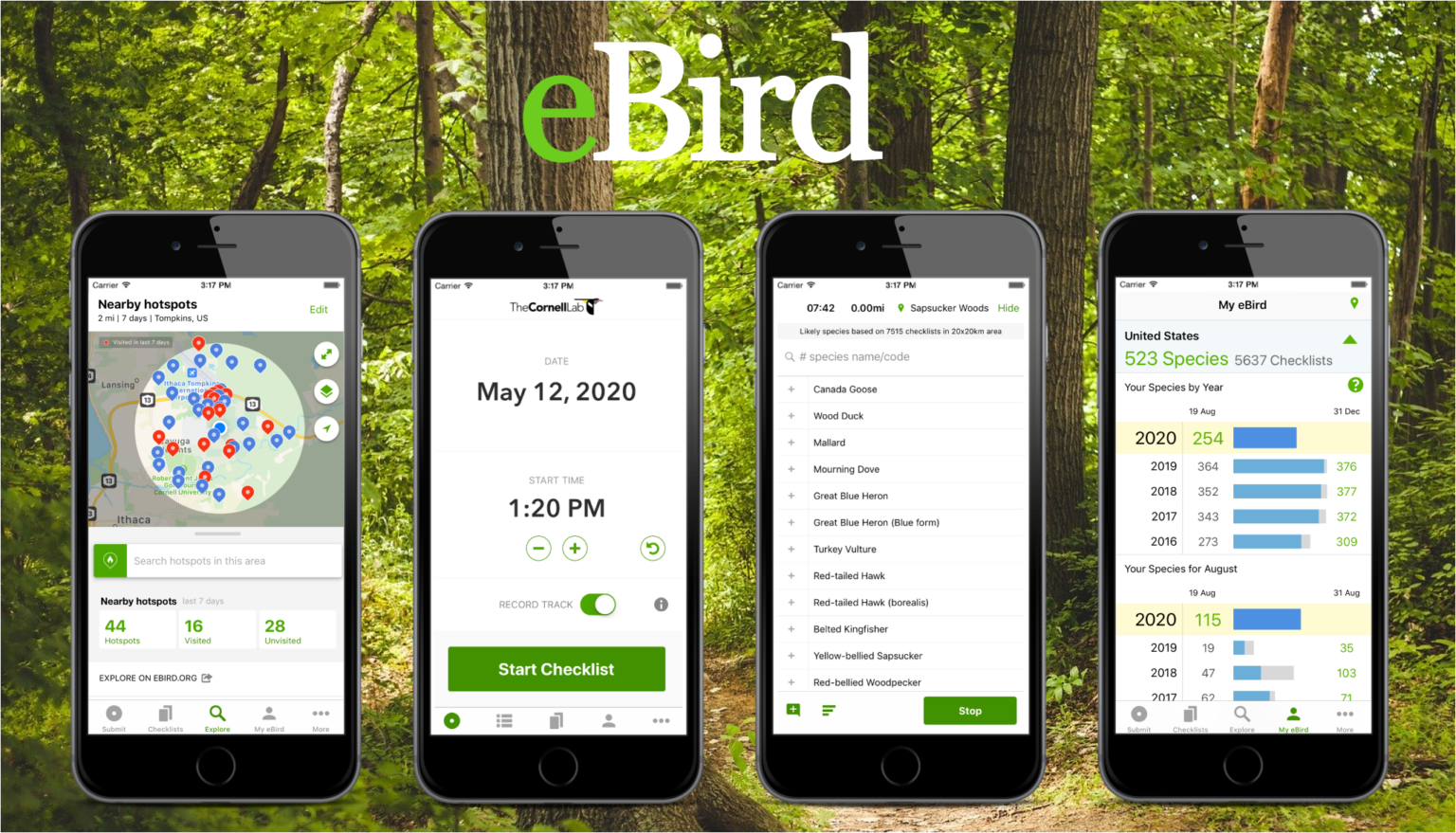
Furthermore, these AI-driven tools have paved the way for an impressive synergy between birdwatching hobbyists and the scientific community. For instance, the eBird app by the Cornell Lab allows birdwatchers to log their sightings, creating personalized lists while simultaneously contributing to a global database. This data helps scientists study bird populations, migratory patterns, and changes over time. AI algorithms can classify these vast data sets, improving the quality of observations and enabling accurate predictions based on historical trends.
AI’s potential application in birdwatching has also drawn the attention of tech giants. Google, for example, has partnered with Rainforest Connection, an organization that deploys AI-powered acoustic monitoring systems in rainforests worldwide. These systems help identify and classify bird species, and the data collected aids in preventing illegal activities like logging and poaching by alerting local authorities.
Looking into the future, AI holds exciting possibilities for birdwatching. The COVID-19 pandemic has already caused a surge in interest in birdwatching, with more people turning to this nature-based hobby during lockdowns. As a result, birdwatching has evolved into a more social activity shared across digital platforms, thanks to AI.

Imagine spotting a rare bird species and logging it in an app that notifies other birdwatchers in the vicinity. Or consider the potential of AI-enabled bird feeders or binoculars that can identify specific birds and record their visits. Companies are currently developing these types of products, and the data collected could significantly contribute to bird conservation efforts. By identifying and monitoring visits of different bird species, we can gain better insights into bird population trends, which can guide conservation initiatives and inform policy decisions.
Of course, we should approach the growing influence of AI with a balanced perspective. On the one hand, AI promises increased convenience and an enhanced birdwatching experience. It’s a powerful tool in the hands of both novice and experienced birdwatchers, as well as scientists and conservationists. On the other hand, we must consider the ethical implications of AI’s pervasive use, including privacy issues and potential impacts on human employment and decision-making.
In conclusion, AI’s impact on birdwatching has been transformative and continues to hold promising potential. As birdwatchers, embracing this technology could enrich our hobby while making significant contributions to bird conservation. Even as we marvel at the wonders of bird life through our binoculars, AI stands ready to be our informed companion on these explorations, painting a brighter future for birdwatching.

 Patrick Meeker: Sustainability-focused Product Management and Digital Transformation
Leave a reply to Becoming a “Master” Birdwatcher | The Official Website of Patrick Meeker Cancel reply