
We all make thousands of decisions daily. While many of them are automatic, like breathing and blinking, the conscious choices we make—what we eat, wear, say, and do—have profound impacts. For those of us in product management, our decisions shape not only the products we develop but also the broader impact of those products on society and the environment.
As a Product Manager (PM), decision-making is central to the role. However, it’s not just about meeting business goals or launching a successful product. Today, PMs are also accountable for ensuring that our decisions align with long-term goals in sustainability as well as create long-term value for your customers. With increasing access to citizen science data and a growing emphasis on eco-friendly practices, PMs have a unique opportunity to blend technological innovation with conservation efforts.
In a world where product success is increasingly measured by its environmental impact, let’s explore how we can rethink decision-making to contribute to both business success and sustainable outcomes.
Types of Decisions from the pM perspective
Not all decisions carry the same weight. Some are routine, while others shape the future of our teams, products, and even our planet. Here’s a decision hierarchy that PMs can use to help prioritize via a decision tree:
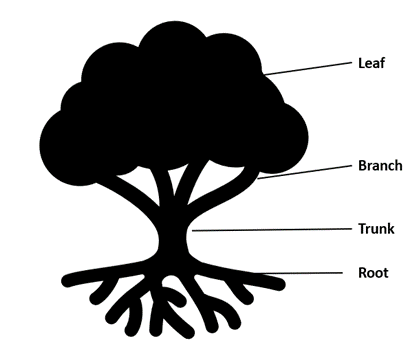
- Leaf Decisions: These low-stakes decisions can be made quickly and independently. For example, as a PM, you might decide to tweak a user feedback form or approve a minor feature adjustment. When thinking sustainably, consider small but impactful changes, like switching to a digital workflow to reduce paper waste.
- Branch Decisions: These decisions require more attention and transparency. For instance, choosing between different design options for a feature or prioritizing the next sprint’s backlog. In the realm of sustainability, you might collaborate with your team to prioritize eco-friendly features, such as optimizing energy efficiency or reducing a product’s carbon footprint.
- Trunk Decisions: These are more complex and involve key stakeholders. Market shifts or unexpected user feedback may require a pivot, and it’s essential to involve stakeholders and consider the long-term environmental impacts of your choices. For example, transitioning to a renewable energy supplier for your cloud services is a trunk-level decision that could significantly reduce your product’s environmental footprint.
- Root Decisions: These are the foundational decisions that align with your company’s core values and objectives. When sustainability is a company priority, these decisions—such as entering a new eco-friendly market or adopting green technology—require buy-in from leadership and must be grounded in data that supports both business goals and environmental outcomes.
Overcoming Your Biases in Decision Making
Biases can undermine our best intentions, especially when we’re striving for sustainable product development. As PMs, it’s critical to be aware of how these biases affect our decisions. Some of the most common biases we experience are:
- Confirmation Bias: Rather than looking for evidence that supports our preconceived notions, we should actively seek out reasons why a sustainable feature or product might not work. This allows us to pivot before we invest too heavily in a flawed solution.
- Sunk-Cost Bias: It’s easy to keep pushing forward with a project because we’ve already invested time and resources. In sustainability, this can mean staying committed to an outdated process rather than adopting a new, greener approach. Use data to determine when it’s better to cut losses and shift to more sustainable solutions.
- Availability Bias: Just because a solution is readily available doesn’t mean it’s the best choice. Instead of opting for the “low-hanging fruit,” PMs should evaluate options based on long-term sustainability goals, even if they require more upfront investment.
- Hindsight Bias: When past decisions don’t work out, it’s easy to fall into “I knew it wouldn’t work” thinking. Documenting your decision-making process, particularly regarding what was better for the planet, allows for constructive reflection and continuous improvement
- Base-Rate bias – Here decisions are often influenced by new information without adequately considering historical or prevalent foundational data. Promote decision-making that considers a wider array of information, discouraging overreliance on new or specific pieces of information without adequate contextual consideration.
- Overconfidence bias – Just because previous ideas worked doesn’t mean future ones will. Foster a culture that values humility and openness to various perspectives and ideas. Encourage recognition of the limitations of individual knowledge and experience.
Prioritizing Decisions
“I have two kinds of problems: the urgent and the important. The urgent are not important, and the important are never urgent.” – Dwight D. Eisenhower
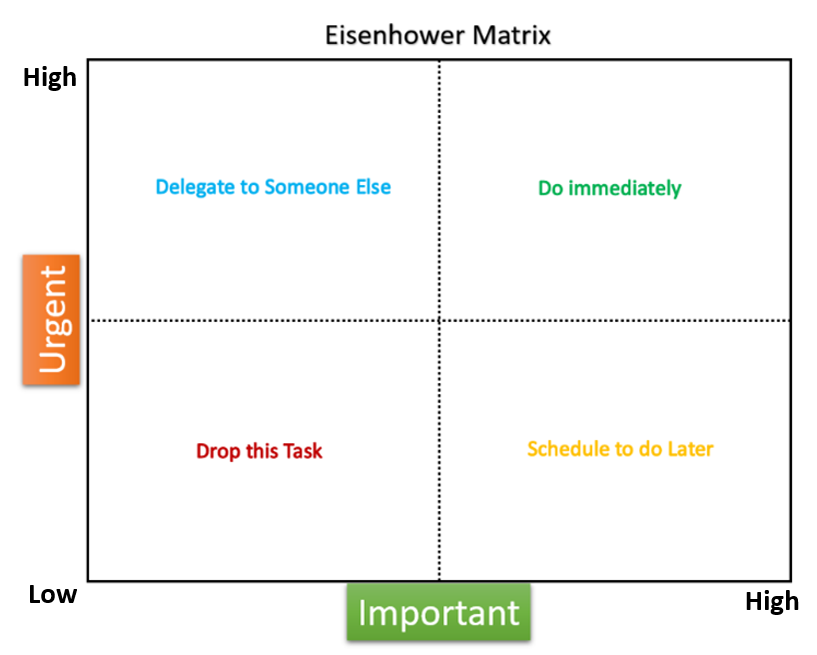
President Eisenhower’s famous matrix can help PMs prioritize decisions, especially when balancing business goals with sustainability. By focusing on what is both important and urgent, you can ensure that key sustainability initiatives get the attention they deserve, while also delegating non-critical tasks that may consume resources unnecessarily.
For instance, an urgent and important decision might be selecting an environmentally responsible vendor for an upcoming launch. On the other hand, an important but not urgent decision could involve planning for a long-term initiative to reduce the environmental impact of your supply chain.
If you look at the above grid, it seems obvious that we should really focus our efforts on the top right and bottom right Quadrants: Urgent and Important decisions and Important but Not Urgent decisions. The top right quadrant decisions need to be acted on immediately, but the bottom right quadrant are decisions that get made which are going to be critical for the overall positive wellbeing of a team and/or product. Conversely, we really should try to delegate noncritical issues or drop them altogether should we have the justification to do so. Stephen Covey uses a similar framework in his book “The 7 Habits of Highly Effective People”. It takes that same Eisenhower matrix view and applies it towards productivity and effectiveness.
Setting Expectations: Collaborating for Impact
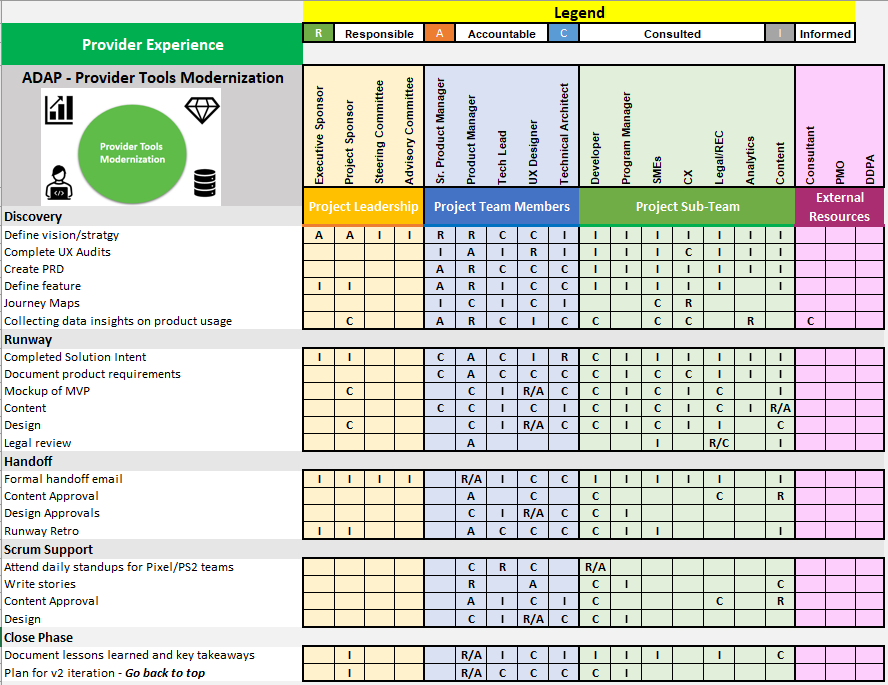
Successful product management requires collaboration, and this is especially true when sustainability is part of your product strategy. Tools like the RACI (Responsible, Accountable, Consulted, Informed) chart are useful for setting clear roles and ensuring that sustainable initiatives are integrated into the decision-making process. By making stakeholders feel involved, especially when it comes to decisions around sustainability, you foster a sense of ownership and accountability that can drive long-term change. For example, when deciding whether to incorporate citizen science data into your product, it’s essential to consult with environmental experts, data analysts, and community leaders to ensure the decision aligns with both technological capabilities and sustainability goals
Sustainability and the Future of Product Management
Every organization will handle decision-making differently, but what remains consistent is the need for PMs to be organized and proactive. The decisions we make today don’t just shape the success of our products—they shape the future of our planet. Whether it’s reducing waste in your product development process or ensuring that the end product supports eco-friendly practices, every decision counts.
For the TLDR:
1️⃣ Evaluate your decision-making process with sustainability in mind.
2️⃣Document decisions to reflect on their long-term impact.
3️⃣ Be aware of potential biases, especially when considering environmental goals.
4️⃣Collaborate actively to drive sustainable change.
Revisit and reflect on how your decisions contribute to both product success and the health of our environment.

 Patrick Meeker: Sustainability-focused Product Management and Digital Transformation
Leave a reply to Having a Good Product Development Strategy | The Officially Unofficial Website of Patrick Meeker Cancel reply