
As the year winds down and the holiday season approaches, I’ve been thinking a lot about what this year has meant to me. Navigating over a year of unemployment, processing what the country recently went through with the U.S. election, and striving to find a meaningful career has taken up a lot of brain space for me. Despite these mental obstacles, one highlight stands out: completing a climate-focused fellowship program through Climatebase. It was an incredibly transformative experience that I believe has reshaped my professional and personal outlook.
Before diving into my fellowship journey, I thought it might be relevant to share some history about my connection to climate issues and how I found myself on this path.
Discovering My Climate Passion
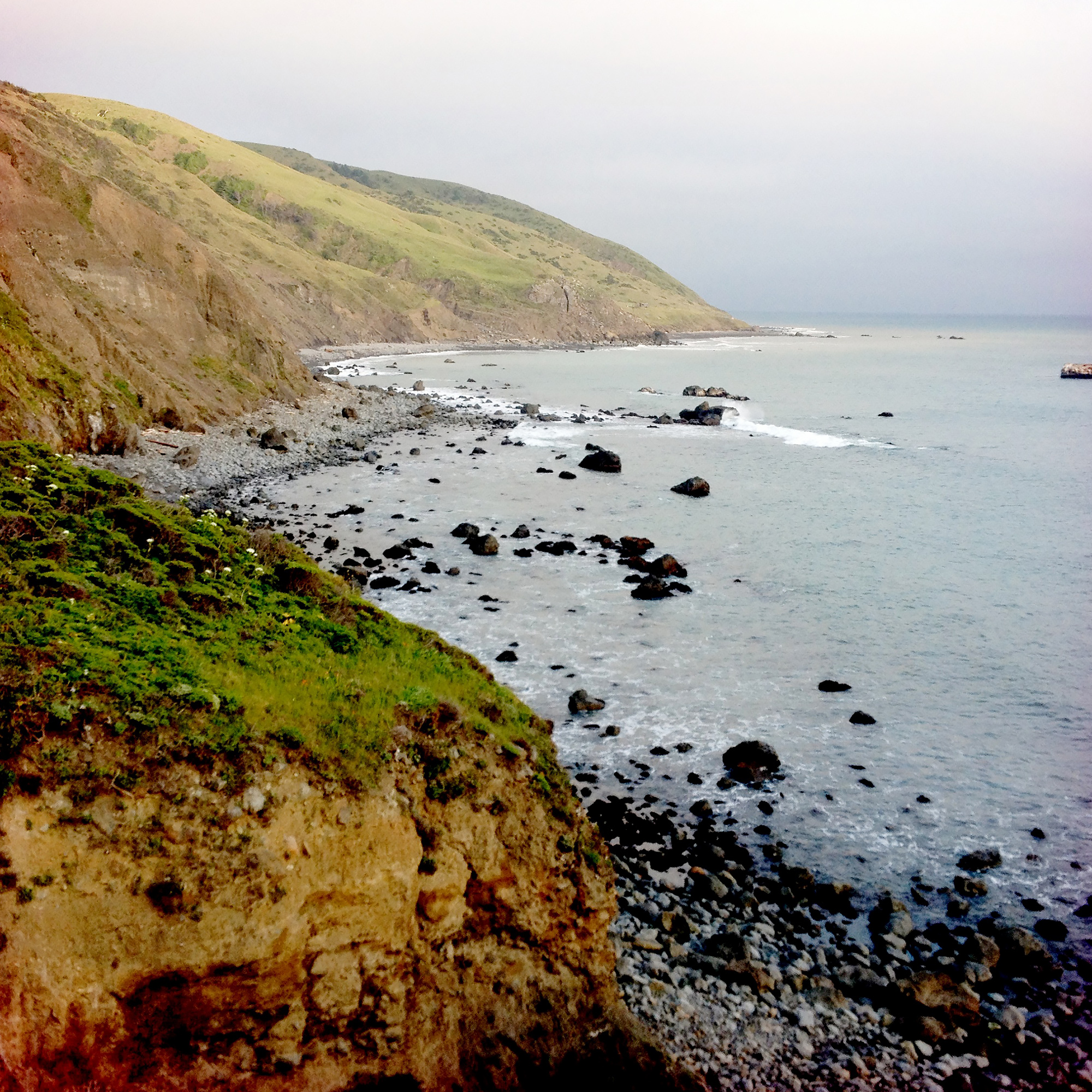
My lifelong love of birds was always the initial gateway to understanding the natural world and, by extension, the climate space. But my relationship with environmental science took root during my senior year of high school in an elective class called “Cal Studies“. This class, alongside my Ornithology class, were one of the most formative educational experiences of my life.
In Cal Studies, we explored the environmental and energy systems that sustain California. Visits to places like the Stanislaus Dam, a geothermal plant in Northern California, and an oil refinery just to name a few helped me understand the interplay between energy production and our relationship to nature but understanding the realities of living in an industrialized society. The course culminated in an unforgettable hike along the Lost Coast, cementing my fascination with the environment and our connection to it.
Fast forward more than 20 years: while searching for my next professional chapter, I attended San Francisco’s Climate Week, which happened to be hosted by Climatebase. When I later saw an opportunity to join their fellowship program, I jumped at the chance. It was an opportunity to deepen my understanding of climate solutions and explore how I could contribute meaningfully to this space.
A Fellowship Like No Other
The Climatebase Fellowship is a 12-week climate career accelerator designed to empower professionals to supercharge their careers in the climate space. Each week was packed with keynote talks, industry panels, deep dives, and networking events covering topics like renewable energy, sustainable food systems, and corporate sustainability, just to name a few.
Looking back, here are a few of the key highlights what I learned:
⚡ Energy
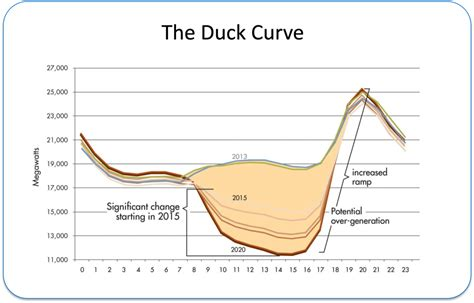
I delved into renewable energy fundamentals, including solar, wind, and hydrogen power. A standout concept was learning about the duck curve, which is a acts an illustration showing the mismatch between typical solar energy production during the day and energy demands we use at night. It’s a visual reminder of the challenges and opportunities in balancing renewable energy supply with real-world demand. In addition, learning how the fundamentals of how energy is generated and electricity is transferred into our homes was a good reminder of the complex infrastructure that would cost Trillions of dollars to update.
🚗 Transportation & Supply Chain
I gained a very simple understanding of the transportation industry’s challenges. One of the key topics that stood out were understanding the trade-offs of EV adoption and the environmental costs of industrialization this technology at scale. It’s not as simple as saying that everyone should drive an electric car. There are a lot of negative effects to this such as mining for Rare Earth Metals like Lithium and Cobalt as well as having the infrastructure to depend on the grid for all these charging stations. In addition, what do we do with the battery disposals? International policy and cooperation is going to need to emerge as critical tool to drive systemic change in this department.
🌱 Food & Agriculture
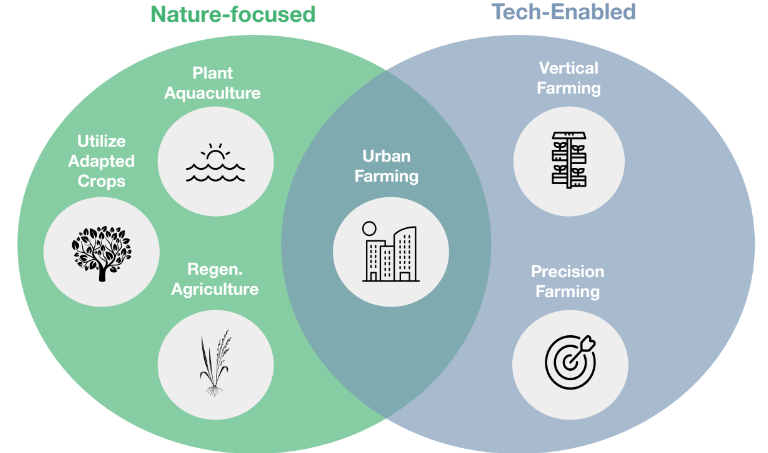
As someone who has lived in a city for most of my life, learning about global food production and distribution was eye-opening. The staggering volume of food waste—and its environmental consequences—stood out to me in particular. I also learned about water-intensive agricultural practices that yield diminishing returns, sparking an interest in sustainable solutions. Being able to think of innovative solutions in both rural and urban areas that leverage sustainable farming is going to be a huge challenge in the next few years.
💧 Nature-Based Solutions
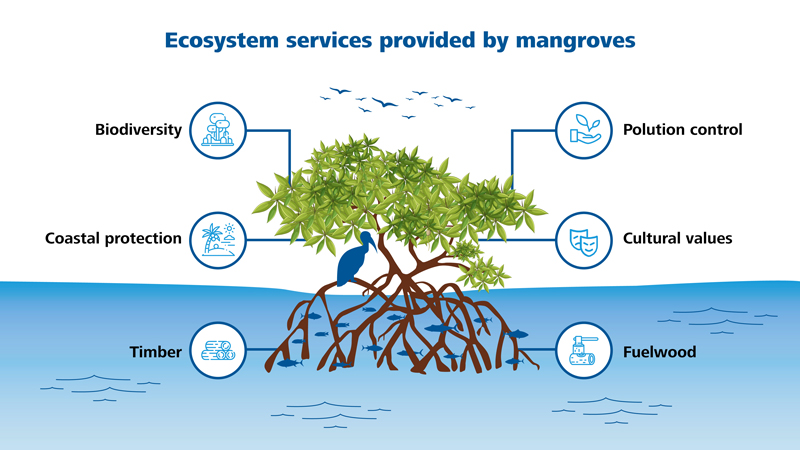
I found this topic particularly fascinating, as it ties directly to biodiversity and habitat preservation. For example, mangroves—essentially underwater forests—play a critical role in protecting shorelines and could be planted in vulnerable coastal areas worldwide.
🏢 Corporate Sustainability
Corporations are among the largest polluters, but they also have the resources to make a significant impact. I learned about emerging software tools that measure greenhouse gas emissions and track carbon offsets, as well as the challenges of data collection and greenwashing in the sustainability space.
♻️ Circular Economy
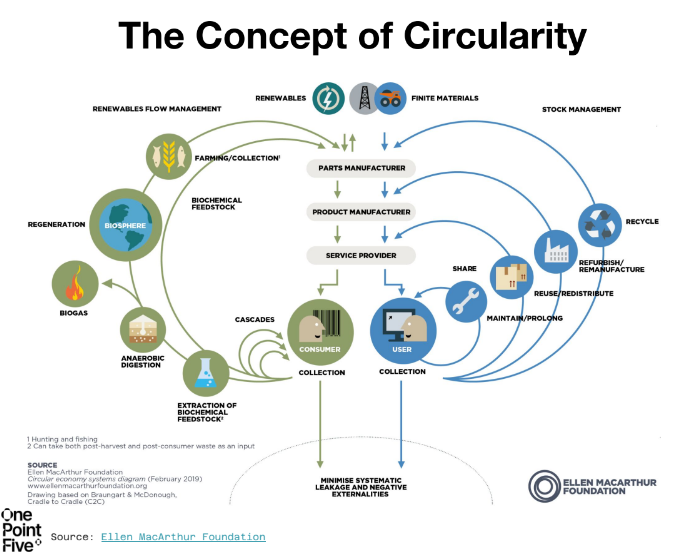
Transitioning from a linear product lifecycle to a circular economy—where materials are reused rather than discarded—offers hope for reducing waste. I loved exploring the “butterfly diagram,” which visualizes how products can cycle through reuse and recycling to minimize environmental impact.
Capstone Projects
One of the most rewarding aspects of the fellowship was the optional capstone project, which allowed fellows to collaborate on real-world climate solutions. I teamed up with two fellow bird enthusiasts to create Project Bird Brain, a citizen science platform focused on protecting vulnerable bird populations using technology. Over several weeks, we developed a prototype and presented it to the fellowship cohort.
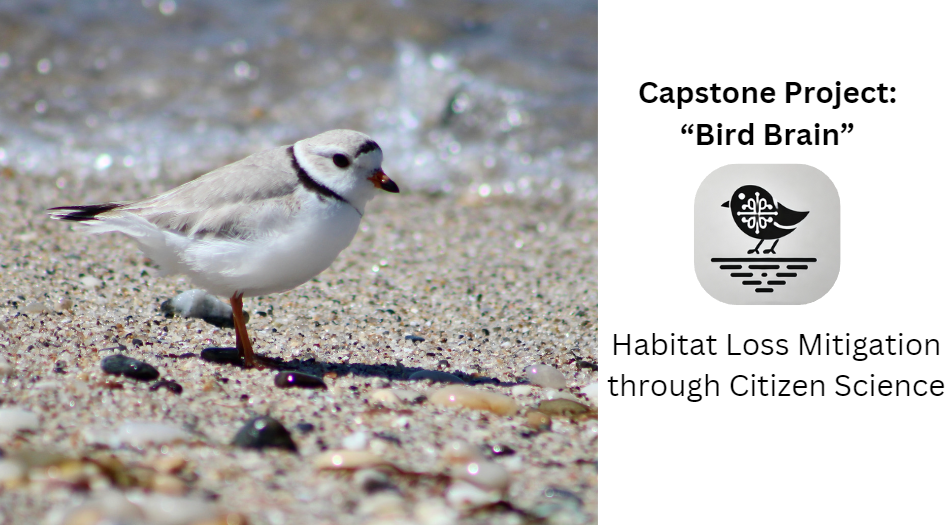
This project reminded me of my early entrepreneurial journey with BluByrd, a birdwatching app I created to connect nature enthusiasts. The pride of building something meaningful for the birding community was reignited, and I felt inspired to channel my creativity and leadership skills into future projects.
INspirational Voices
Throughout the fellowship, I had the privilege of learning from incredible individuals whose work left a lasting impression on me:
- Neil Yeoh, CEO and Co-Founder of One Point Five, shared his insights on achieving the critical 1.5-degree Celsius climate goal. His background, as someone who navigated feeling like an outsider in Australia while rising to become a leader in climate advocacy, was both relatable and inspiring.
- Leah Ellis, CEO and Co-Founder of Sublime Systems, provided a fascinating perspective on reimagining sustainable concrete production. Her vulnerability about the challenges ahead coupled with her deep academic knowledge was a powerful reminder to push forward, no matter how daunting the task.
- Kim Noble, Senior Director of Community Outreach at the Environmental Protection Agency, closed the fellowship on a high note. Her grassroots approach to environmental change and her moving personal stories about her father observing shifts in weather patterns and her watching him as a child made a lasting impact on how I view community-driven climate action.
There were more than 100+ speakers during the fellowship and I could talk about so many more people. These individuals, however really stood out to me as inspirational voices who are working to tackling the climate crisis, which I hope to continue to learn from and stay connected to in some way.
The Lessons Learned and Challenges Ahead
The fellowship was both inspiring and humbling. I often questioned whether I “belonged” in such a talented cohort, but I was continually uplifted by the supportive and collaborative atmosphere. Everyone was there for a deeply personal reason, united by a shared commitment to climate solutions.
I will admit balancing the demands of the program with family life was challenging. As a father of two young children, I juggled daycare drop-offs, domestic responsibilities, and late-night reading. Despite the challenges, having access to the curriculum for an additional year gives me confidence that I can continue learning and applying these insights.
One of the hardest lessons was grappling with the enormity of the climate crisis. From greenhouse gas emissions to biodiversity loss, the scale of the problems can feel overwhelming. But the fellowship also showed me the power of collective action and the importance of finding my niche within this vast ecosystem of solutions.
Now comes the hard part—turning this knowledge into action. With 14 years of experience in technology and a renewed passion for climate solutions, I’m eager to bridge these worlds. Whether consulting on greenhouse gas accounting, leading digital transformation initiatives, or building citizen science platforms, I feel ready to make an impact.
For now, I’ll continue contributing locally by leading field trips with my Audubon chapter, teaching others about birds and technology, and refining my own skills. This fellowship has reaffirmed that while the road ahead may be daunting, it is also full of possibility.
To my fellow climate advocates: let’s build a more sustainable future together. The work is hard, but the stakes couldn’t be higher. And to those considering a similar journey, I encourage you to take that first step. It might just change your life.


 Patrick Meeker: Sustainability-focused Product Management and Digital Transformation
Leave a comment