As I lay in bed, exhausted from a day spent feeding, bathing, and mostly chasing my kids around, I found myself reading Gary Kamiya’s Cool Grey City of Love. That’s when it hit me—like a ton of bricks.
What does this remind you of?
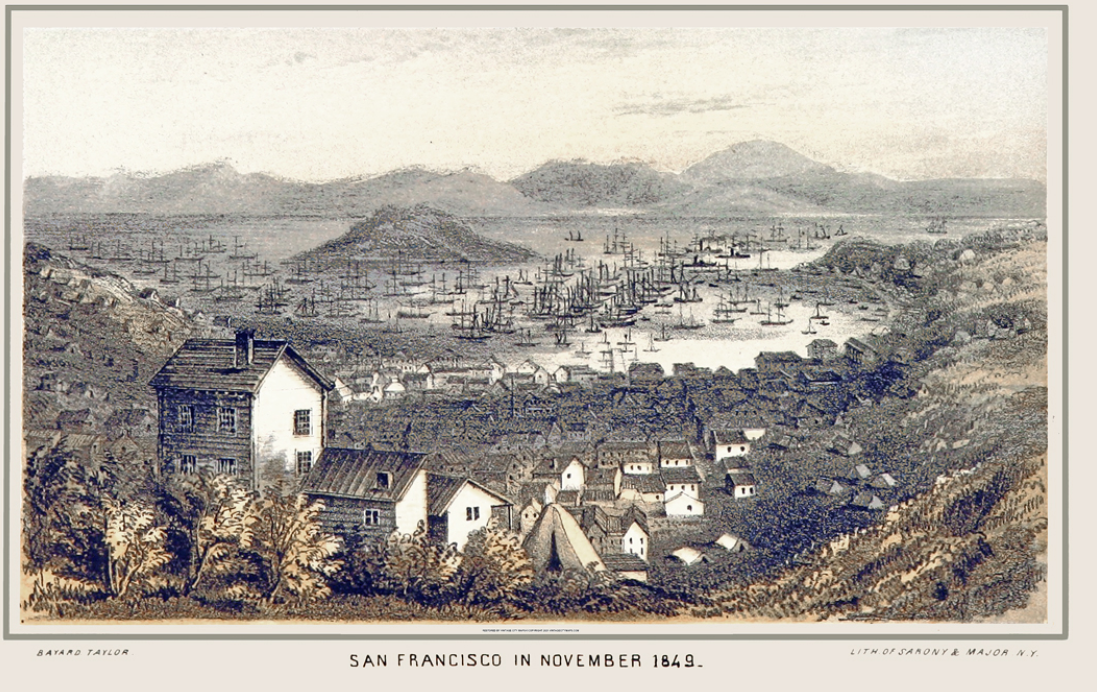
The year is 1849 and you just arrived in San Francisco. You heard someone found gold and made a fortune so you, like so many think you are also going to strike it rich. You risk everything you have with the hopes that you will be the one finding yourself sitting on a literal gold mine. As soon as you head for the literal hills, you only find dust and a few speckled flakes of that brilliant metal.
I use this scene as an analogy for how I have been feeling lately as it was one year ago today that I lost my job as a product manager in tech industry.
In a way, I feel like those miners—hopeful, full of ambition—only to face the cold reality of striking out. After reading Kamiya’s book, it reminded me of a very familiar feeling: How many people still come to San Francisco dreaming of riches in technology, only to find themselves in uncharted territory after something like an unexpected layoff?
This past year has been its own journey—searching for my proverbial gold mine. It has required painfully long days of trying to find a new job while at the same time, developing new skills in the sustainability space, furiously networking with others in my industry, and of course writing more. As the days, weeks, and months have passed over the course of this year, what first felt like a setback eventually has turned into something else entirely.
Much like San Francisco’s transformation during the Gold Rush, the year was filled with moments of uncertainty and hope. And just like those 19th-century fortune-seekers, the time has come for a pivot.
In this post, I share my journey, drawing parallels between my experience and the “old-timey” days of the City by the Bay.
The First Month: Confronting a New Reality
I won’t sugarcoat it: When I lost my job, I felt like I failed. Not only that, I let my family down. I was looking around at my peers, and from all appearances it seemed like everyone was doing better, they were getting promoted in their jobs, and ultimately finding more success. It was hard not to compare.
In 1849, people flooded into San Francisco, convinced that striking gold was a sure thing. I, too, had grown up in this city with lofty (and perhaps unwarranted) expectations of success. Reality hit hard, though, just as it did for the early miners who soon realized not everyone would strike it rich.
Despite this new reality, I tried to organize my life in the wake of job loss. I turned to productivity tools like JIRA and Asana to help me manage my personal projects, but I often felt like one of those gold rushers who rushed to the hills without a solid plan.

Months 2-3: Building Resilience
As the weeks turned into months, I knew I had to try and rebuild my confidence. Practicing mindfulness became a cornerstone of my routines—helping me accept that two things could be true at once: I was nervous about my career prospects, but I am also a capable and smart leader. Through daily breathing exercises, like the 5-4-3-2-1 technique, I learned to stay grounded.
This mindfulness journey reminded me of how those early settlers adapted to the realities of Gold Rush life. San Francisco’s cost of living was high, even back then—eggs, for example, cost roughly $90 in today’s prices. I later learned that financial pressure then led the city to become a restaurant town, where communal dining was more affordable. In addition, downtown San Francisco, especially near the waterfront became a huge village of tents of many of the downtrodden.
For me, it was the technology that I used which became my lifeline. Platforms like LinkedIn and Slack connected me to job opportunities. Portsmouth Square was once the literal center of town, connecting diverse groups of people from all over the world to do business. Of course, back then, it was often a hub for gambling and prostitution rather than today’s AI and networking entrepreneurs—but perhaps things haven’t changed as much as we think.
Months 4-6: A Period of Growth and Learning
Much like how prospectors diversified when finding gold was not going to happen, I decided it was time to dive into new skills. I enrolled in online courses learning about AI and machine learning. I learned Python programming, Deep Learning, Neural Networks, and other advanced tech concepts around AI. While I don’t claim to be a master in this subject, knowing the terms and concepts has helped me better understand the language of the fast-growing tech companies around me, allowing me to “speak and understand the same language”.
I am always reminded of Levi Strauss, who shifted from mining to selling durable jeans to the miners, going on to build an iconic business. Sometimes, the true opportunities lie not in following the crowd but in finding new ways to serve it.
Our Post-COVID world has a lot of similarity to San Francisco’s early days, when rampant disease spread throughout the city. The tech industry’s evolution has certainly been marked by similar crises and lessons learned—or not. History has a funny way of repeating itself.
Months 7-9: Reassessing Values and Priorities

By this point, I was nearing one year of unemployment. I forced myself to reassess my values and priorities. Since this time off, I have been lucky enough to able to spend Fridays with my two-year-old daughter. We get to explore the Bay Area, visit my parents, and see friends, all of which have become the highlight of my week.
Still, these moments are fleeting… So in a way, the job search, which once had become my central focus, has begun to take a backseat to mindfulness and enjoying the present.
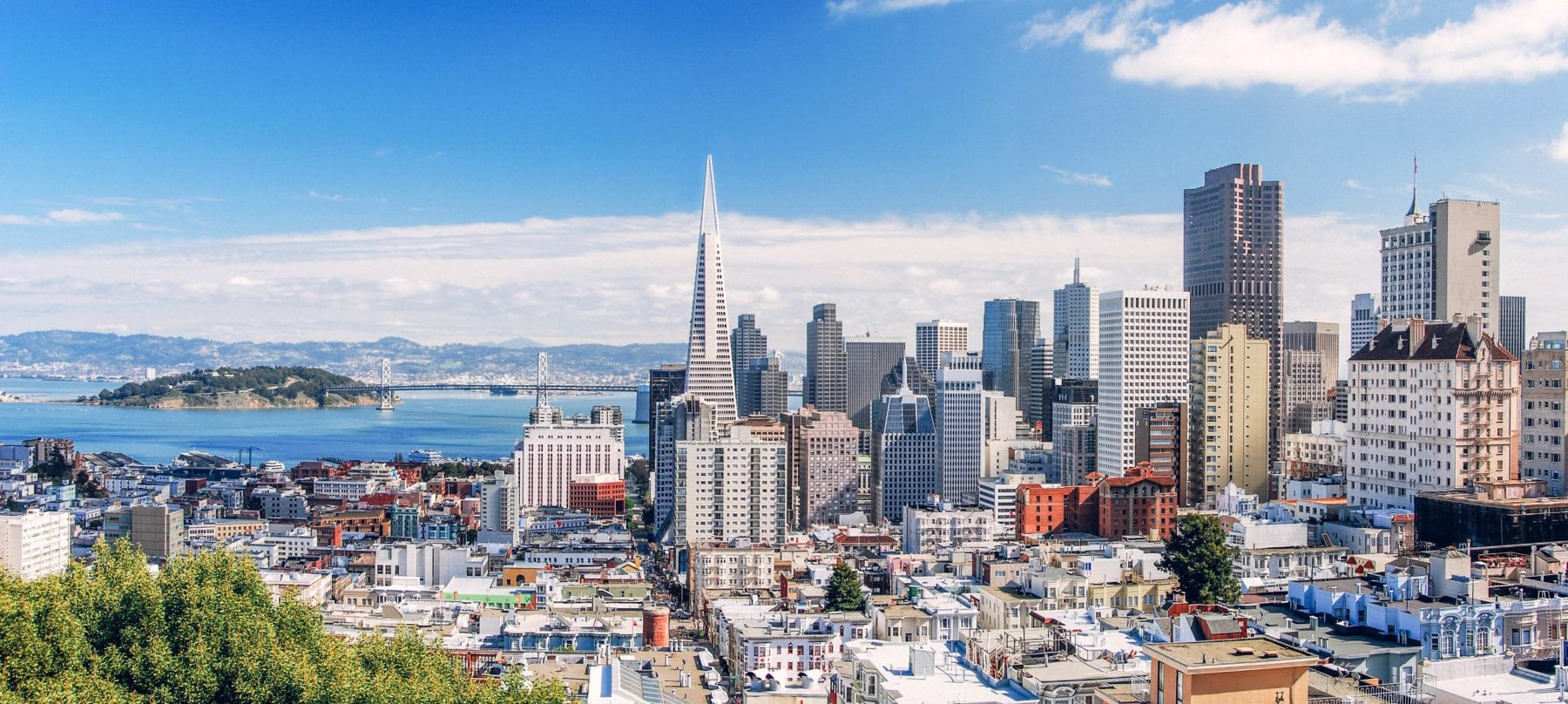
Growing up in San Francisco, I couldn’t help but think about the city’s transformation over past 150+ years. During the Gold Rush, the rapid expansion created stark differences between the wealthy, who built their mansions on Nob Hill, and the working class down below. Today, we see those same divides, exacerbated by housing shortages, drugs on the street, and so many with mental health issues.
Sometimes it feels like the more things change, the more they stay the same.
Months 10-12: And Here We Are Today…
So far, it has taken hundreds of applications, countless emails, and gallons of coffee consumed at meetups and networking events to prepare myself for the job market. But it hasn’t just been about finding a job anymore—it’s ultimately become more about connection, reconnecting with old friends and colleagues, sharing stories, and learning from their journeys.
In the spirit of this reflection, I have to draw a final parallel to San Francisco’s history. After the Gold Rush ended, or when the 1906 Earthquake burned most of the city down, San Francisco didn’t collapse—
It rebuilt itself.
SF’s great jewel, Golden Gate Park was created as a respite from the sand dunes. Industries like Levis and soon many others were being built around solving the societal challenges of their day. Much like those pioneers, many of us today are banding together to tackle technological, social, and environmental problems.
Looking back, the most important lesson from my year of unemployment is that sudden change—however painful—can lead to growth. San Francisco has faced its own cycles of boom and bust over the past 150 years, but time and again, it has adapted, rebuilt, and thrived.
This serves as a constant reminder that challenges are cyclical. With the tools we have today—our technology, networks, and ability to learn from the past—we can face the future with optimism. For me, this year has been about learning, resilience, and discovering what truly matters.
As for San Francisco, I hope it never loses the spirit of innovation and resilience that has defined it for more than 200 years. And I hope my story, among many others, helps reinforce the tale of this great city.

 Patrick Meeker: Sustainability-focused Product Management and Digital Transformation
Leave a comment