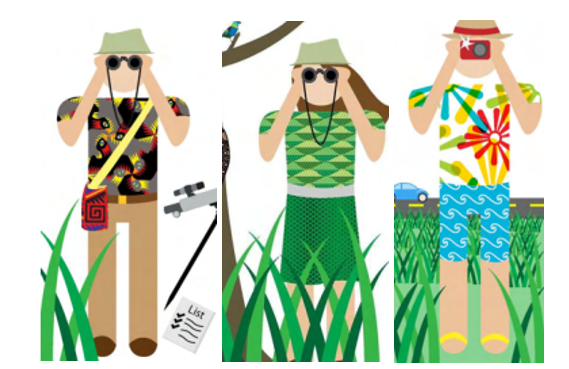
As someone who has always been captivated by both the wonders of nature and the marvels of technology, I’ve found that birds serve as the perfect bridge between these two worlds. In a way, birds embody the pinnacle of engineering inspiring many human innovations inspired by them, while at the same time being symbolically beacons for us in the natural world. This unique position makes birds not only fascinating subjects for observation but also critical indicators of our environment’s health, underlining the importance of eco-friendly birding practices.
To many, birding is ultimately a way to connect intimately with nature. However, as we pursue this rewarding hobby, it’s crucial to consider our impact on the very environments we cherish. This blog post explores eco-friendly birding practices that allow us to enjoy our avian encounters while actively contributing to conservation efforts. From sustainable observation techniques to creating bird-friendly spaces at home, we’ll discover how small changes in our approach can make a significant difference in preserving bird habitats and populations for generations to come.
Balancing Passion with Preservation
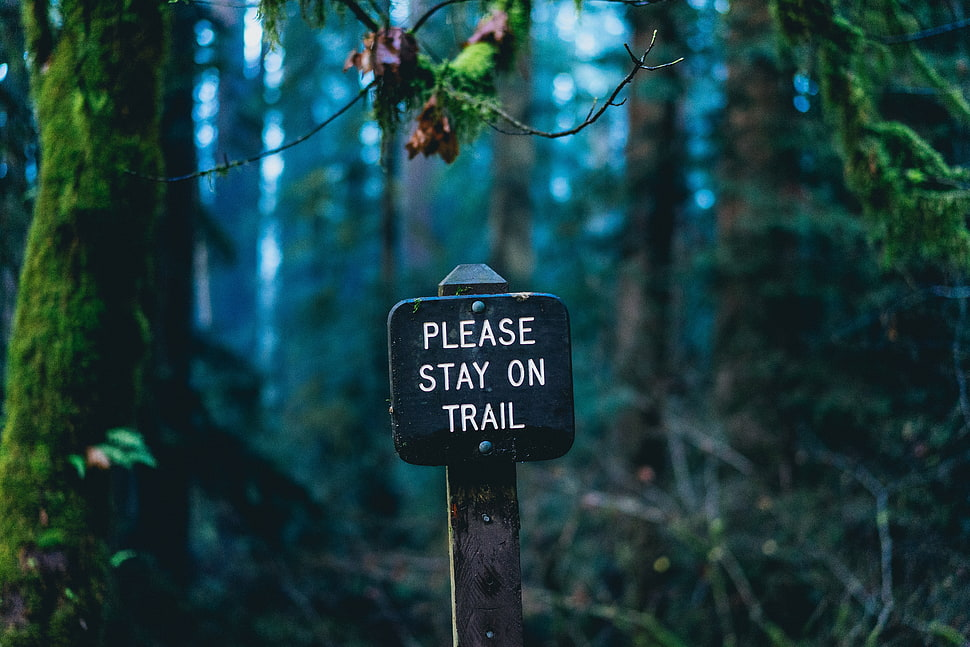
The places we live, whether in urban or rural areas, contain a multitude of natural spaces. These can include public parks, ponds, lakes, shorelines, forests, marshes, and more. One crucial principle to remember is the importance of staying on designated trails. As a curious explorer, especially in natural areas, I find this a hard truth to swallow. However, these trails are designed to minimize foot traffic and protect nesting or wild species while keeping visitors safe. Growing up near San Francisco’s Lands’ End, I heard horror stories of people falling off cliffs into the ocean hundreds of feet below because they ventured off the trail.
While I consider myself a steward of the latest technology in citizen science, particularly using apps like Merlin and iNaturalist, it’s critically important to use these resources responsibly. These fantastic apps exemplify modern birding, but using them to attract birds is a significant no-no. The calls and songs in these apps use a language we don’t fully understand as humans. We don’t know if the playback is attracting a mate, scaring off a bird protecting its territory, or simply saying, “Nice weather we’re having!”
Minimizing Our Environmental Footprint
Having a “leave no trace” policy when birding should be a given, but you’d be surprised how many people seem to ignore this principle. LNT includes staying on trails, not disturbing habitats, and of course, not leaving any trash behind. While this should be self-explanatory for anyone taught about littering, you’d be amazed at how many unnatural items you can find along trails, especially in urban parks.
Another aspect of eco-friendly birding is considering the places we visit. Staggering sums are spent on “eco-tourism,” particularly for birds. According to an Audubon report, roughly $17.3 billion is spent annually on wildlife-watching trips, much of it attributed to birds. While people with means can afford these experiences, the beautiful thing about watching birds is that it’s often free! For longer journeys, such as flying to Colombia or Indonesia, consider carbon offset programs to mitigate your environmental impact.
Think about your carbon footprint when birding. In my most recent annual birdathon, our group was awarded for having the lowest carbon footprint. We achieved this by carpooling in a single electric vehicle. Implementing eco-friendly strategies like this can go a long way in reducing our collective impact.
Engaging in Conservation Efforts
I’ve been a member of The Golden Gate Birding Alliance (formerly the Audubon Society) for nearly 10 years. I’m also a monthly sustaining member of Cornell Lab of Ornithology and subscribe to almost every birding magazine available. While this level of commitment might seem excessive to some, it’s crucial to support conservation efforts. Chances are there’s a local Audubon chapter near you, and like many non-profits, they rely heavily on donor support and fundraising efforts. Being a monthly contributor of even $5-10 can make a significant difference.
I strongly recommend participating in events organized by these organizations. One of my favorite annual activities is participating in my local GGBA’s Christmas Bird Count. Not only do you get to go birding all day (literally from sunup to sundown), but you also leverage the latest bird-tracking technology, namely Merlin and eBird. These are the gold standard applications supporting citizen science, along with iNaturalist, which helps users understand the landscape of where they’re birding by identifying all flora and fauna.
Creating Bird-Friendly Environments
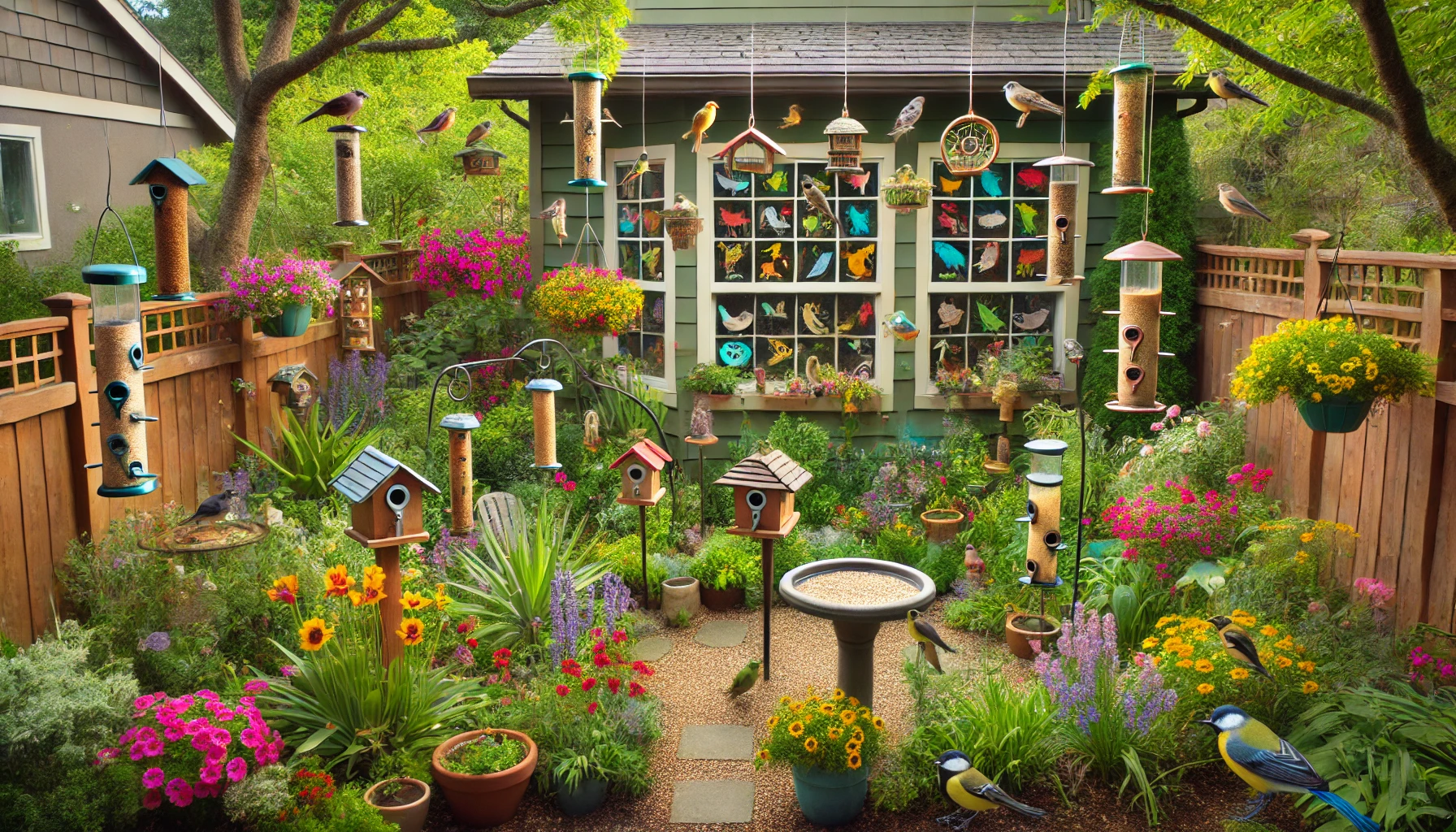
While caring for public spaces is essential, it’s equally important to consider our immediate surroundings. Whether you’re a homeowner or an apartment dweller, there are ample opportunities to create environments that are hospitable to birds and protect them simultaneously. The foremost recommendation is to make every effort to plant native species in your garden. For those unclear about what’s considered “native,” resources to to help you identify suitable plants for your area are plenty.
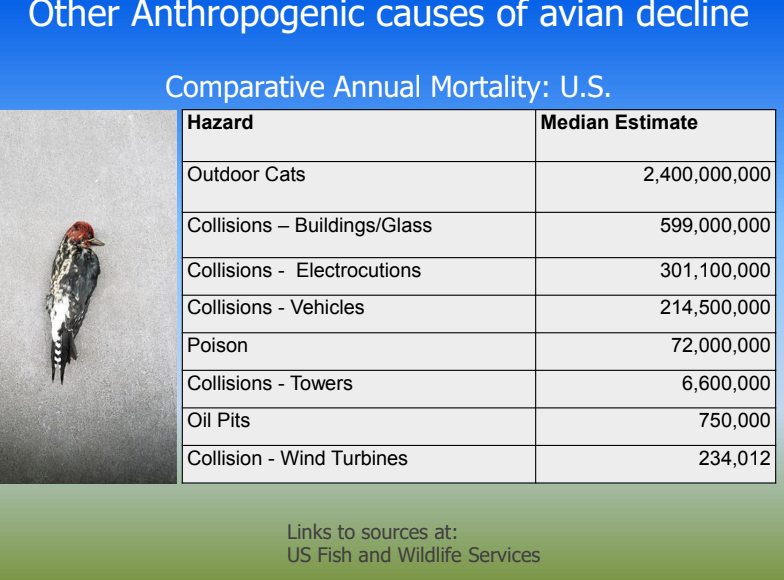
It’s stunning to learn that approximately 600 million birds die from collisions with windows every year, accounting for about 17% of all bird deaths. In areas like Tahoe and the Sierra mountains, I’ve seen homes with shiny streamers—an interesting approach by homeowners to deter birds like woodpeckers from drilling on their wooden cabins. This concept suggests potential for innovation in creating more bird-friendly windows, particularly for commercial buildings and skyscrapers.
So what did we learn, Students??
As we’ve explored, eco-friendly birding is about more than just observing birds—it’s about actively participating in their conservation. By adopting sustainable practices, reducing our carbon footprint, supporting conservation efforts, and creating bird-friendly spaces, we can significantly impact the well-being of bird populations and their habitats.
Remember, every action counts. Whether it’s staying on designated trails, participating in citizen science projects, or simply making your backyard more bird-friendly, you’re contributing to a larger conservation effort. As birders, we have a unique opportunity to be ambassadors for nature, sharing our passion and knowledge with others while setting an example of responsible environmental stewardship.
Let’s commit to these eco-friendly practices and encourage others in our birding communities to do the same. By working together, we can ensure that the joy of birding remains a sustainable and enriching experience for generations to come, while protecting the diverse and beautiful species we so admire. Happy birding, and remember—tread lightly, observe responsibly, and always leave nature as you found it, if not better.
 Patrick Meeker: Sustainability-focused Product Management and Digital Transformation
Leave a comment