Have you ever been on what starts as a simple walk in the park, but it transforms into something so much more?
There you are, strolling along when suddenly a flash of color catches your eye. You pause, look up, and there it is – a vibrant Western Tanager perched on a nearby branch, its red head and yellow body standing out vividly against the green leaves.
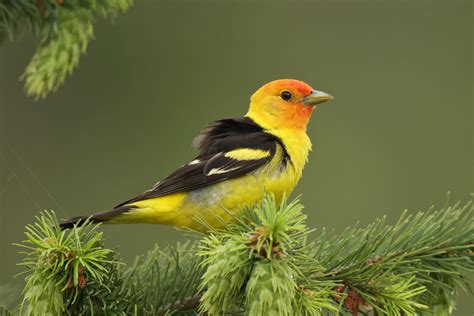
In that moment, everything else fades away. The weight of your phone in your pocket, the phantom vibrations that make you think it’s buzzing, the looming deadlines, and the endless to-do list – all of it disappears as you focus on this small, colorful wonder framed by nature.
Without realizing it, you’ve just stepped into the world of mindful birdwatching.
We live in a world of constant noise and distraction. It seems like our devices demand our attention every waking moment, and we’re always feeling the need to be “on.” But contrary to the promises of connection these devices offer, we often feel more disconnected than ever.
During the Covid pandemic, birdwatching saw a surge in popularity, with people of all ages seeking solace in the natural world. And it’s not hard to see why. In 2020, bird activity – that is, the number of recorded bird sightings – rose by 80%, and app installs of birdwatching tools like Merlin increased by 175%.
Birdwatching offers a unique blend of technology and tradition and is arguably one of the most mindful practices you can do for yourself. At its core, birdwatching is about something much simpler and more profound – being present in the moment, connecting with the world around you, and finding a sense of wonder in everyday life.
As someone who has been birdwatching for over two decades, I can tell you that there’s something meditative about it. Whether I’m in my backyard, a local park, or out on a trail, the act of observing birds grounds me in a way few other things can. It’s a practice in patience, careful observation, and appreciating the beauty that surrounds us every day.
For me, birdwatching isn’t just about the birds. It’s about understanding our place in the grand tapestry of nature. It’s about recognizing the delicate balance of our ecosystems and how our actions impact the world around us. And perhaps most importantly, it’s about finding a moment of peace in our chaotic world.

Growing up near San Francisco’s Presidio, I was spoiled with an urban oasis teeming with bird life. I would often wake to foggy mornings but on clear days with clear views of the Golden Gate Bridge, it could not be beat. Areas like Crissy Field marsh offer wide varieties of wetland birds while the many groves of Eucalyptus, Monterrey Pine, and Cypress trees offer a wide array of songbirds and Raptors as well.
On the opposite side of the country in Cape Cod, where I spent many summers, was where I truly understood the diversity of birding habitats. There were a wide array of beaches, the salty air filling your nostrils. Two vastly different landscapes, yet each offering its own unique birding experience. I write about the Massachusetts landscape in this post
Mindful Birding
The beauty of birdwatching is that your “happy place” can be anywhere – from your own backyard to a far-flung wilderness. The key is to open your eyes and ears to the world around you.
Now, let me share a little trick I use to center myself when the world feels a bit too chaotic – the 5-4-3-2-1 Technique. It’s a grounding technique often used to cope with stress or anxiety, but I’ve found it’s also a fantastic way to deepen your connection with nature during a birding session.
Here’s how it works in a birdwatching context:
- 5 – Identify five things you can see. Maybe it’s the iridescent glint of a hummingbird’s gorget, the distinctive silhouette of a Red-tailed Hawk against the sky, or the subtle movements of leaves that might indicate a hidden warbler.
- 4 – Focus on four things you can hear. Perhaps it’s the melodious song of a White-crowned Sparrow, the distant caw of a crow, the rustle of wind through the trees, or even the quiet buzz of insects.
- 3 – Notice three things you can feel. This could be the weight of your binoculars against your chest, the gentle breeze on your face, or the solid ground beneath your feet.
- 2 – Identify two things you can smell. Maybe it’s the salty sea air, the earthy scent of the forest floor, or the sweet fragrance of nearby flowers attracting pollinators.
- 1 – Finally, focus on one thing you can taste. This might be as simple as the taste of your morning coffee lingering on your tongue.
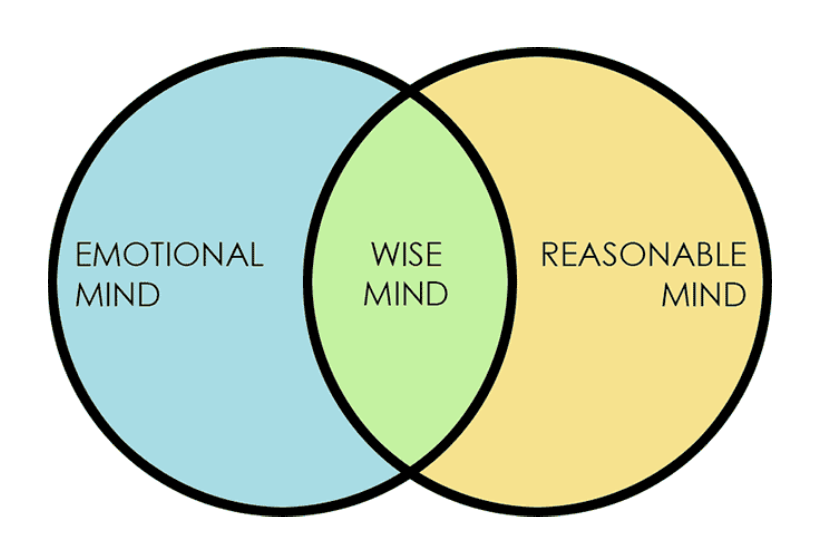
This exercise not only calms your mind but also heightens your awareness of your surroundings – a crucial skill for any birdwatcher. This technique is commonly used in Dialectical Behavior Therapy (DBT), which teaches us about the concept of “wise mind.” Wise mind is the sweet spot between our emotional mind (right brain) and our reasonable mind (left brain). In birdwatching, we often experience this interplay. It’s about finding balance – something that resonates deeply with the practice of birdwatching.
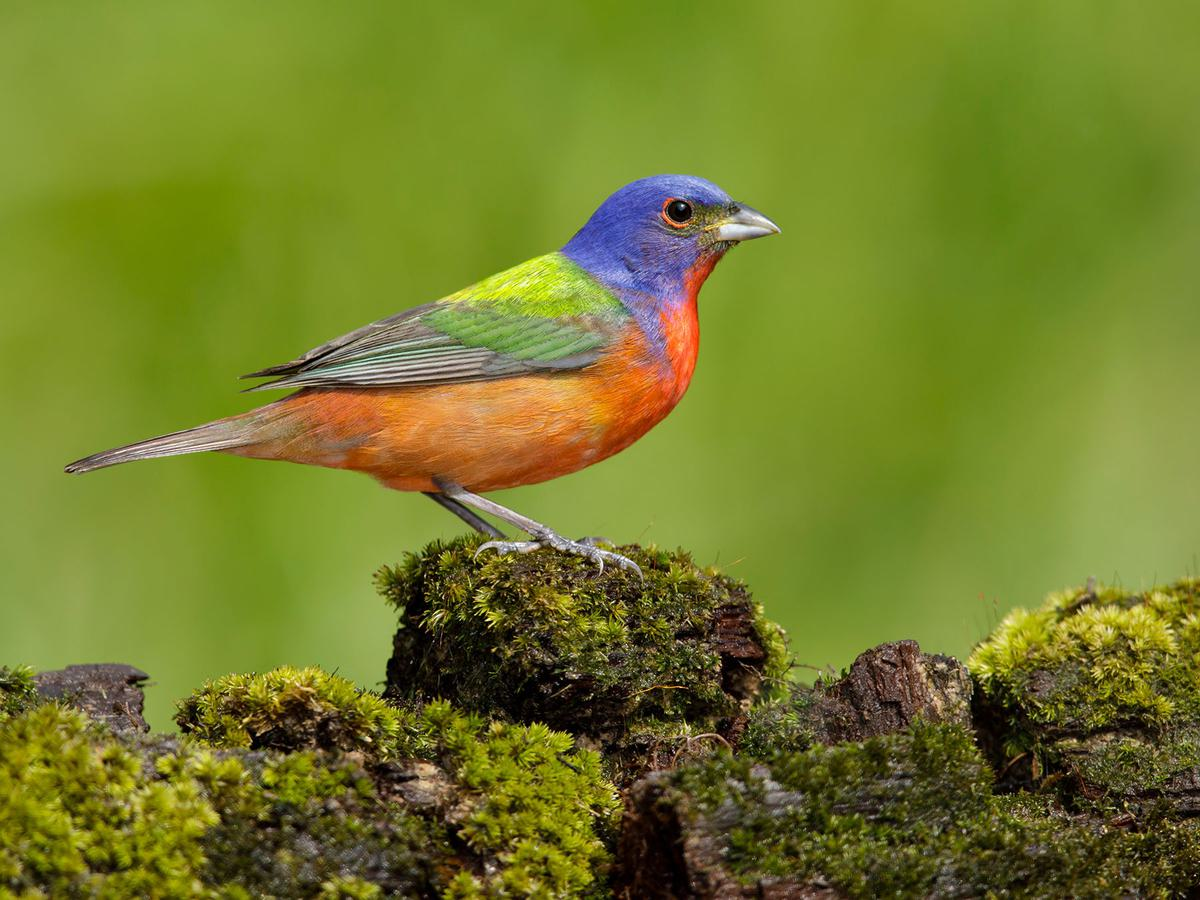
To envision it in action, imagine you’re out on a trail when you spot a bird you’ve been hoping to see for years – let’s say it’s a Painted Bunting. Your emotional mind lights up with excitement. The vibrant blues, greens, and reds of its plumage fill you with awe and joy. That’s your right brain in action, reveling in the pure emotion of the moment.
But then your left brain kicks in. You start noting the field marks, considering the habitat, maybe even thinking about the bird’s migration patterns or conservation status. You’re analyzing, categorizing, and using your knowledge to understand what you’re seeing.
The magic happens when these two minds work together – when you can appreciate the beauty of the moment while also engaging your analytical skills. That’s the “wise mind” of birdwatching, and it’s a beautiful thing to experience.
The Psychological Benefits of Mindful Birdwatching
In our noisy, fast-paced world, birdwatching offers a unique form of meditation. It’s about tapping into our most vital senses for birding: sight and sound. Just listening to the sounds nature around you can be incredibly therapeutic.
One of my favorite exercises is what I call your “Circle of Sound.” How it works: find a comfortable spot, close your eyes, and for one minute, focus on identifying sounds. Start with those closest to you – maybe the hum of your refrigerator or your own breath. Then expand your awareness outward, layer by layer. You might hear the chirp of a nearby chickadee, then the distant call of a Red-tailed Hawk, and finally, the faint hum of city life on the horizon.
This simple practice not only hones your birding skills but also centers you in the present moment. It’s a reminder that we’re part of something larger, a complex web of life that’s in constant motion – if only we take the time to listen.
From Observation to Action
As mindful birders, there are many things we can do to understand our place in nature and protect the bird species impacted by our actions. For urban birdwatchers, we’re acutely aware of the challenges birds face in cities. Bird-friendly building designs are crucial in reducing collisions, which kill millions of birds annually. Strategies like using patterned or fritted glass that’s visible to birds, installing external screens or netting, using awnings and overhangs to mute reflections, and turning off lights at night during migration seasons can make a difference.
A great example of a bird-friendly building is the San Francisco Federal Building, with its perforated metal sunscreens that reduce bird collisions while also improving energy efficiency.

Planting native species also goes a long way. Plants like California Lilac (Ceanothus) attract hummingbirds and insect-eating birds, while others like Coffeeberry (Frangula californica) provide berries for robins and other thrushes like the Hermit and Swainson’s Thrush. Trees like Coast Live Oak (Quercus agrifolia) support a variety of insect-eating birds
Finally, using technology for citizen science is where my passion lies. For those interested in combining technology with their birding adventures, iNaturalist is a fantastic tool. I’ve written more details on how to use iNaturalist. In essence, it’s a citizen science platform that allows you to record and share your nature observations, including birds. It’s a great way to contribute to scientific research while becoming more aware of your surroundings.
Merlin and eBird, both developed by the Cornell Lab of Ornithology, are also fantastic apps for birders of all levels. Merlin is like having an expert birder in your pocket, helping you identify birds through questions, photos, or even sound recordings. eBird, on the other hand, is a global database where you can record your sightings and explore what others are seeing in your area.
These apps not only help you improve your birding skills but also connect you with a global community of bird enthusiasts. You can participate in local birding challenges, contribute to scientific research, and even find rare bird alerts in your area.
Every time you use these apps, you’re not just enhancing your own experience – you’re contributing valuable data that helps researchers understand and protect bird populations worldwide. So next time you’re out for a hike, why not give them a try? You might be surprised at how they deepen your connection not just to birds, but to a whole community of like-minded nature lovers.
And with that, I leave you with this guarantee: once you start looking up, you’ll never see the world quite the same way again. And who knows? That next walk in the park might just lead you to your own Western Tanager moment. Keep your eyes open, your mind clear, and remember – the sky’s the limit!
 Patrick Meeker: Sustainability-focused Product Management and Digital Transformation
Leave a comment