We have all been educated about the dangers of drugs and how if you use one, they can lead to more. The term “gateway drug” has often been used to describe this predicament; however for the purpose of this article I want to take that concept and turn it on its head.
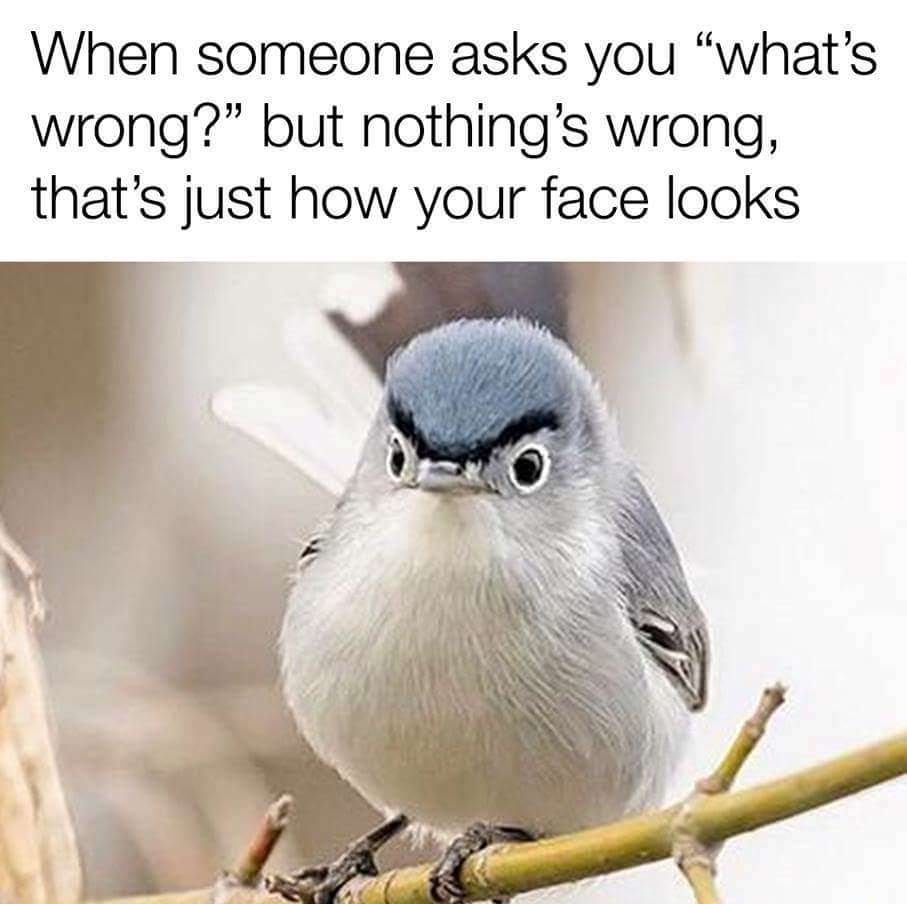
You may wonder what that has to do with birds. In previous posts, I have talked about ways to be more in tune with nature, specifically through birds. In this case, I am using birds and birdwatching as a “gateway drug” to lead to much more like insects, trees, and so much more when it comes to nature.
Simply observing birds can provide an immediate window into the diversity of life that exists beyond our everyday surroundings. Their presence is ubiquitous; from sparrows and finches darting through trees in city parks, the hummingbirds buzzing around backyard feeders, to majestic hawks soaring overhead. This variety in form, function, and habitat piques interest and encourages further exploration. Their unique beauty and behavior, whether it’s the dance of Western Grebes pairs running across the water or the Lek of a Ruffed Grouse, their unique mannerisms inspire a sense of wonder and curiosity about the natural world.
Birding, the practice of observing and identifying birds in their natural habitat, fosters a deeper connection and understanding of the environment. Simply acknowledging this is a tactic for many DBT (Dialectic Behavioral Therapy) treatments towards mindfulness. It is a practice that calls for patience, silence, and attentiveness – qualities often forgotten in our bustling lives. Once we start distinguishing different bird species, we can learn about different habitats and ecosystems. They understand the symbiotic relationships and the fragile interdependencies that exist within nature, and how each species, no matter how small or seemingly insignificant, plays a crucial role in the grand tapestry of life. Birds feed on specific bugs, who live in specific trees, which circles back to bird habitats.
Furthermore, birds act as vital indicators of environmental health. Changes in bird populations often signal shifts in habitat conditions, pollution levels, and climate change. For example, a decline in the population of insect-eating birds might indicate a problem with the insect population, which could be a result of pesticide use or habitat loss. Such insights provoke contemplation about human activities and their environmental consequences, leading to a greater consciousness of our own roles in ecosystems and the need for responsible behavior.

On a global scale, the spectacular phenomenon of bird migration emphasizes the importance of international cooperation in conservation. Birds cross national borders, continents, and oceans during their migratory journeys, depending on a network of habitats along their routes. The loss or degradation of any of these habitats could have far-reaching impacts, underscoring the fact that conservation is a global issue that requires collective action.
The act of bird feeding and nest box installation are simple conservation activities that anyone can undertake, fostering a sense of responsibility towards nature. Witnessing birds thrive as a result of these actions can be immensely rewarding and motivate further involvement in conservation efforts. It’s a small step that not only benefits the local bird populations but also instills an understanding of how direct actions can influence the environment positively.
Birds also hold significant cultural, spiritual, and symbolic importance in societies across the world. They are often featured in folklore, art, and literature, signifying various emotions and states of being, from peace and freedom to love and transition. This cultural significance can be harnessed to promote and advocate for nature and conservation, strengthening the emotional connection people have with birds and, by extension, the natural world.

So again, when you think of the term “gateway drugs” or drugs in general, try to make the correlation to our feathered friends. They offer an amazing glimpse into the wonders of nature and the more you see and observe it, the more you want to learn. This paves the way for a broader understanding and appreciation of biodiversity, ecosystems, and the importance of conservation, which you can share with your own peers, family, and friends. Birds challenge us to reconsider our perspectives, to recognize our place within the larger web of life, and to strive for coexistence rather than dominance. As we become captivated by their beauty, fascinated by their behaviors, and inspired by their resilience, we find ourselves more deeply invested in preserving the world that they, and we, depend on.
Bird on!

 Patrick Meeker: Sustainability-focused Product Management and Digital Transformation
Leave a comment