In product management, stakeholders are the driving force behind the success of your product. Full Stop.
Examining this dynamic towards building eco-friendly solutions, the relationships you cultivate with your stakeholders can either propel your product forward or create barriers. Throughout my experience managing products across multiple industries, I’ve witnessed firsthand how crucial stakeholder dynamics are to achieving shared success, especially when aligning technical advancements with environmental goals.
As product managers (PMs), especially those dedicated to creating sustainable, long-term impact, our value lies in understanding that stakeholder management is a delicate balance. It’s an ongoing process of communication, trust-building, and alignment with the overarching mission—whether that’s reducing our carbon footprint through digital solutions or empowering communities through technology.
Articulating Your Value as a PM for Sustainability
One of the toughest yet most essential aspects of being a PM is clearly demonstrating your value to your stakeholders. This becomes even more important when your work intersects with global challenges, like climate change and biodiversity conservation. A great example comes from Canadian astronaut Chris Hadfield, who wisely advised in An Astronaut’s Guide to Life on Earth that we should aim to be a “zero” in any high-performing team. In PM terms, this means avoiding negative disruption (-1) and instead facilitating progress by neutralizing friction. While we strive to be positive contributors (+1), maintaining balance and ensuring we’re not introducing inefficiencies is key, especially in projects where sustainable outcomes are the end goal.
Knowing the Stakeholders: Your Ecosystem of Influence
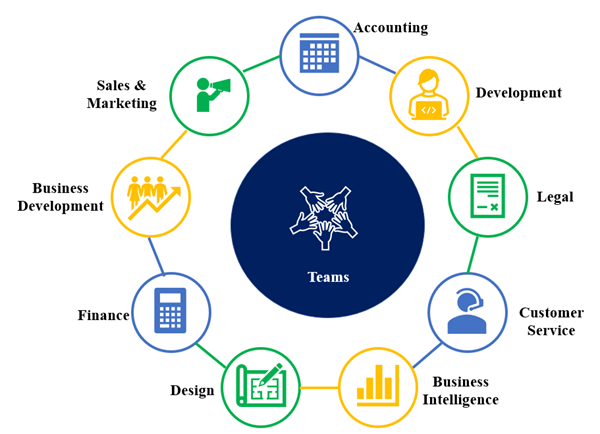
Before we can create change or bring innovation to life, we need to know the players involved. Whether you’re building a conservation app for citizen scientists or spearheading a corporate digital transformation project, identifying key stakeholders early on is critical. This includes not just the immediate team—designers, engineers—but also the larger network that impacts your product’s success, like sustainability officers, operations managers, or even grassroots activists in the case of environmental projects.
In my experience, successful stakeholder relationships are built on trust, transparency, and authenticity. Particularly in the sustainability space, where projects may face scrutiny and skepticism, being able to confidently articulate the technical and environmental impact of your product is key. You need both hard skills—such as knowledge of the product and how it fits into environmental frameworks—and soft skills, like the ability to convey the importance of eco-friendly initiatives in a way that resonates with diverse stakeholders.
Internal and External Stakeholders: Bridging Technical Needs and Market Demands
Depending on your product, your stakeholders could range from engineers and sales teams to external users like business owners or local community leaders. Internally, your closest allies are often your engineers and designers, who help bring your vision to life. Yet, working in the sustainability space, means you also have to consider other teams—such as legal, sales, and leadership—who might have a different perspective on what success looks like. For instance, your VP of Sales might be focused on how your product brings more customers into the sales funnel, while a business intelligence lead will be more interested in how to effectively communicate measurable environmental impact.
Externally, end users could include citizen scientists contributing valuable data on bird populations or climate change impacts. For them, the product’s usability and purpose are paramount. Listening carefully—whether through surveys, user feedback, or direct interviews—helps you ensure that the solutions you’re building align not only with their needs but also with broader conservation or sustainability goals. With products that hinge on public contribution, such as a citizen science app, this feedback loop becomes invaluable.
Working with Stakeholders: Creating Value Together
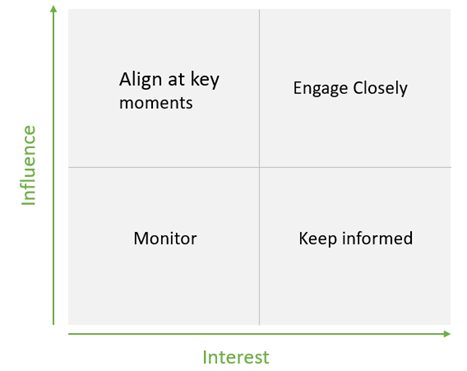
In the world of sustainable product management, no two stakeholders are alike. Some require consistent communication and reassurance, while others only want to be involved at key milestones. It’s helpful to use a framework like classifying stakeholders based on their influence and interest. High-influence, high-interest stakeholders—like your director level or above as well as your key community partners—should be actively engaged throughout the product lifecycle. Meanwhile, those with lower interest may only need updates but shouldn’t be ignored entirely.
When you bring stakeholders along in the product journey, you also encourage co-creation, which is especially important in citizen science or environmental tech. Collaborative brainstorming sessions—whether in the form of design sprints or strategy meetings—foster a sense of ownership and allow for innovative, sustainable ideas to flourish. I recommend keeping these sessions around 60 minutes, giving everyone enough time to contribute meaningfully without losing focus.
As a PM, you should facilitate these discussions while allowing stakeholders to voice their concerns and suggestions. It’s here where visual tools—such as impact charts, population models, or ecosystem maps—can illustrate the broader context of your product’s role in sustainability or conservation efforts.
Measuring Success: Impact Beyond Numbers
Ultimately, product managers in the sustainability space are measured not just by traditional KPIs, but by the positive impact their products create. For example, success might be reducing a company’s paper use or helping citizen scientists monitor endangered species populations more efficiently. When your stakeholders are able to articulate your product’s vision as passionately and clearly as you can, you know you’ve done your job well.
Weekly updates, regular check-ins, and transparent reporting help maintain alignment with stakeholders and ensure you’re collectively driving toward both environmental and business goals. The real measure of success is when stakeholders champion your product and its impact, be it through internal teams or through the users and communities benefiting from your work.
Building Relationships in the name of Sustainability
Building relationships with stakeholders is an ongoing process, one that demands patience, communication, and a shared commitment to creating value. As a PM working at the intersection of product, sustainability, and citizen science, it’s not just about delivering features; it’s about fostering a long-term vision that aligns with environmental and societal goals. Remember: the more sustainable and inclusive the solution, the stronger your product will be.

Just remember: Rome wasn’t built in a day, and neither will your career as a rockstar PM until you work hard to cultivate those relationships.

 Patrick Meeker: Sustainability-focused Product Management and Digital Transformation
Leave a comment