“If you don’t know where you’re going, you’ll end up someplace else” – Yogi Berra
This quote said by the legendary Yogi Berra may sound silly, but it highlights a fundamental truth in both business and conservation: without a clear direction, progress becomes uncertain. For anyone in the product management space, strategy isn’t just about making decisions—it’s about ensuring those decisions align with a long-term vision. And increasingly, that vision must consider not just profitability, but sustainability and the broader impact on the environment.
This is a lesson well learned by even the biggest players. Take Apple, for example. Despite its dominance in today’s market, Apple faced significant strategic challenges in the 90s, when the company was on the brink of collapse. Under Steve Jobs’ leadership, Apple pivoted by refocusing its strategy on simplicity, sleek design, and ownership of its ecosystem (OS). Fast-forward to today, and you see Apple embracing sustainability by committing to using recycled materials and minimizing carbon emissions in their products.
But these principles—clear direction, innovation, and sustainability—aren’t exclusive to tech giants. They are just as relevant for smaller-scale initiatives, like citizen science projects or grassroots conservation efforts. The tools of product management—whether used for software, sustainability initiatives, or conservation apps—need to balance profitability, environmental consciousness, and long-term viability.
The Lemonade Stand Reimagined
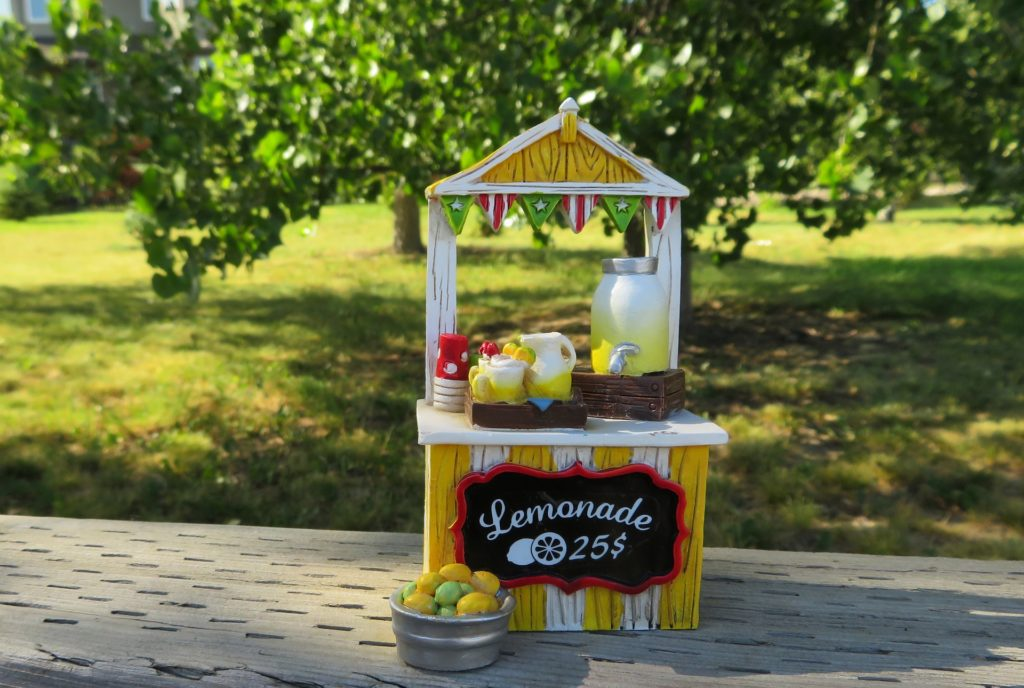
Let’s revisit a classic example of something most of us even as kids know about, which is opening a lemonade stand. However, don’t think of it as just a basic business, but instead as a metaphor for balancing product strategy with the added component of sustainability. If you’re launching a lemonade stand in today’s world, you would likely face additional considerations beyond flavor profiles or pricing—you might also ask, “How can I source my ingredients sustainably? How do I minimize waste and reduce my environmental footprint?”
For instance, should you source organic, locally grown lemons instead of opting for mass-produced alternatives that carry a larger carbon footprint? Maybe your stand could emphasize sustainability by offering biodegradable cups or promoting a “bring-your-own-cup” initiative. While these choices may not be the cheapest option, they contribute to your brand’s value by aligning with eco-conscious customers. Sustainability, after all, is not just an add-on; it’s an essential part of modern product strategy.
Key Considerations for Eco-Friendly Products
Whether you’re managing a digital transformation project or developing a citizen science app to track local wildlife, having a product strategy that prioritizes sustainability and community engagement is crucial. A solid product strategy should account for three major areas:
- The Product – What unique value does your product provide? Does it have the potential to reduce waste, minimize energy consumption, or create long-term value for both users and the planet? This is where innovation meets environmental stewardship.
- The Materials – What resources do you use to create your product, and how sustainable are those choices? Can you source materials responsibly, use recycled components, or reduce reliance on resource-heavy production processes? In conservation and citizen science, this may translate to reducing digital waste by optimizing storage or using energy-efficient infrastructure.
- The Price – Pricing is not just about profitability. It’s about ensuring your product remains accessible while staying true to your sustainability goals. Do your customers see the added value in paying for eco-friendly solutions or for supporting initiatives that protect the planet?
These considerations extend beyond physical products into the digital and service-based industries as well. For example, in the world of conservation technology, an app that tracks bird populations might not just be about data collection—it can be about educating users on climate impact, promoting environmentally responsible behaviors, and making sustainability a core part of the user experience.
Once we’ve decided which type of product we want to sell, we will need to consider the ingredients (aka the materials or cost of goods). Should we go out and pick the lemons ourselves to save on costs or maybe we find someone who will pick them for us at a low cost, as opposed to going and buying them directly from the store? In addition to lemons, we’ll need sugar and lots of it which, unless we own a sugar cane farm, we’ll also have to buy. Perhaps one strategic approach to cut down costs is to have mom and dad cover the sugar expense?
Once we have all our ingredients, we must then decide how much to sell a cup of lemonade for. Do we charge at a very low-price say $0.25 a cup banking on having many customer interactions, or do we sell a cup at a premium price and perhaps communicate to our customers that we’re offering “an enhanced lemonade buying experience”?
These are just a few examples when it comes to strategy when selling/launching a product. If it only were so simple in the complex world of business to just decide what type of lemons to use and how much to charge for a cup of lemonade… Regardless, we need to ask a variation of the aforementioned questions as it relates to our own product. Product strategy comes in several phases, and we must consider all of them. Understanding the market where the product is offered and being able to effectively communicate the value of the products we offer is critical. On top of that, we also need to understand how our bottom line is going to be impacted depending on how much we want to charge for our product.
Crafting the Elevator Pitch USing a sustainably focused Angle
No matter the product, whether it’s a tech solution or an initiative to preserve wildlife habitats, the core of any good strategy is the ability to succinctly communicate its value. Here’s a modified elevator pitch format that aligns with both product management principles and environmental priorities:
“For [target customer] who [insert need], our product [insert product] is a [market category] that [key benefit]. Unlike [competitors], it [insert unique differentiator], while prioritizing [environmental or sustainability angle].”
Let’s apply this to a citizen science app:
“For environmental organizations who need to track bird populations in real-time, our app is a conservation tool that gathers and analyzes crowd-sourced data. Unlike traditional tracking methods, it leverages community involvement to enhance accuracy while minimizing resource use and environmental disruption.”

Aligning Stakeholders with a Shared Vision for Sustainability
As with any product, getting buy-in from key stakeholders is essential for success. But in today’s landscape, it’s not just about profits and performance metrics—it’s about aligning stakeholders behind a vision of sustainability and long-term impact. Whether you’re in product management or running a citizen science initiative, the same principles apply: collaboration, transparency, and a shared commitment to environmental responsibility.
Consistent communication with your stakeholders, backed by data on both market potential and environmental impact, helps ensure that everyone is aligned on both the product’s business goals and its contribution to a better world.
Strategy is Your Roadmap—Sustainability is Your Compass
Think of your strategy like a roadmap, helping you navigate toward your product’s goals. But increasingly, sustainability must serve as your compass, ensuring that your direction is not only profitable but also ethical and responsible. Without this clear direction, teams can lose purpose, competitors can overtake your market, and you may miss an opportunity to create products that genuinely make a difference for future generations.
Much of what I learned for this post came from reading Richard Rumelt’s Good Strategy / Bad Strategy as well as taking the LinkedIn Learning’s Building a Product Strategy Keep the faith and make sure you are all speaking the same language towards achieving your team or organization’s goals.
 Patrick Meeker: Sustainability-focused Product Management and Digital Transformation
Leave a comment