There are tons of books on product management out there. If you find yourself having a little bit of extra time (which many PMs normally don’t) and dedication, the below are some books I have read over the last few years as product manager, which certainly have helped me along the way.
For a full list of my Product Management Books, you can check out my library in Miro here
It seems like for every book I read on the subject, there are about 10 new books that could be added to that list! Either way, I recommend starting with some of the more foundational reads in Product Management I have laid out below:
Inspired by Marty Cagan

I read this book two different times between my 2 different PM jobs. It has been become a must read for any aspiring or well established product professional. Marty Cagan, who is somewhat of a Silicon Valley legend, talks the reader through his experience as product leader. On top of establishing crucial strategic frameworks for success such as establishing OKRs (Objective / Key Results) within your org, or enacting the right discovery processes before a launch, he challenges the reader to love the problems rather than the solutions. In between sections, he uses case studies of different successful PMs at some of the larger companies such as Google, Apple, and Netflix and what kind of big sweeping changes they made within their organizations to change their businesses as a whole
Storytelling with Data by Cole Nussbaumer Knaflic
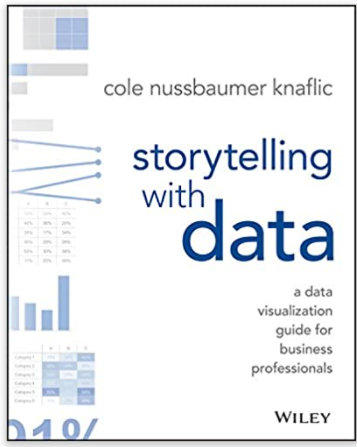
Unlike Inspired, this book is a little more on the “text-book” side, however it provides key lessons in telling stories using data. On top of explaining all the different types of effective visuals e.g., tables vs. graphs vs. charts, she talks about how one should frame telling story using data in the same way one would write a novel or a movie. One interesting anecdote from this book was asking the reader attempt to tell their version of the story of Little Red Riding Hood. It’s quickly discovered while the main plot is more or less the same, it is told differently by everyone. Even better if it can be done under 3 minutes!
Measure What Matters by John Doerr
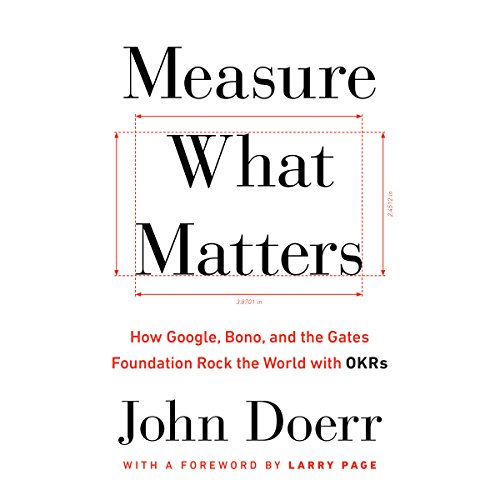
This book does a deep dive into the world of OKRs (see definition above) and uses several examples of many successful companies including Intuit, YouTube, and Google, who implemented them within their orgs. Doerr was one of the early employees of Intel and learned from the founding father of OKRs, who argues while intelligence is an important skill to have, it’s more about what can actually be accomplished and measured with you do know. Successful OKRs require focus, alignment, tracking, and stretching. They shouldn’t be overly complicated in their definition but they should also require some reach above what you think you can accomplish to achieve the goals
Originals by Adam Grant
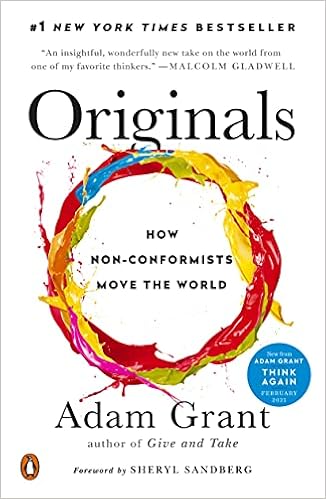
This book takes the reader on a journey using examples of several different leaders both in the business and political world of who they went against the status quo to change the world. One of the more memorable chapters was on Martin Luther King’s “I have a dream” speech, which happened to be written the night before the million man march. He also talked about the impact of Steve Jobs and Apple and the introduction of the iPhone in the photography market against Polaroid; a well established company, which has all but gone bust based on the groupthink mentality of people always wanting a physical photo. It ends with giving the reader several action items to takeaway for their own way to make an impact
The Design of Every Day Things by Don Norman
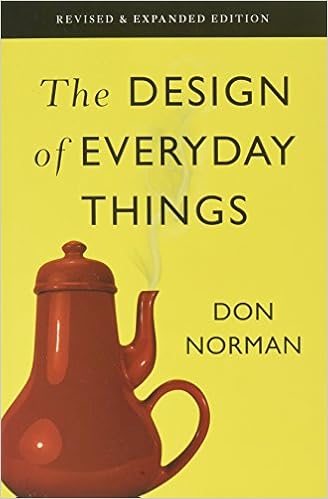
Many have called this book among the design community the “UX (User Experience) Bible”. Religious connotation aside, this book does challenge the reader to reevaluate their own perspective on how every day products are used and designed. To err is to be human, which Norman argues that despite our imperfections, more often than not, it is faulty design of a machine that causes errors, frustrations, anxiety, etc. not the user’s lack of understanding. While most of us don’t think about the psychology behind how we view and use products, there are a lot of great frameworks of how to approach human centered design and what emotional elements should take place throughout that process


 Patrick Meeker: Sustainability-focused Product Management and Digital Transformation
Leave a comment